Ink & Algorithms
AI News This Week: Nvidia Acquires Hugging Face | AI Weekly Pulse #10
This week, over $1.26 billion changed hands in AI infrastructure deals alone - and that's before you count the $12.9 billion acquisition that could reshape how every developer on the planet accesses open-source models. Nvidia's reported move to buy Hugging Face is the kind of deal that doesn't just make headlines; it makes you rethink the whole stack. Pair that with a federal court ruling that handed Anthropic a landmark legal win against the Pentagon, and a coalition of 100+ companies - from OpenAI to Visa - sounding the alarm on AI-driven cyberattacks, and you've got a week that moved fast in every direction.
So here's the question worth sitting with: if the platforms, policies, and infrastructure you build on are all in play at once, what does your AI strategy actually depend on?
📈 Macro Shifts
Big-picture AI policy, research breakthroughs & industry moves that reshape the landscape every builder
operates in.
#1
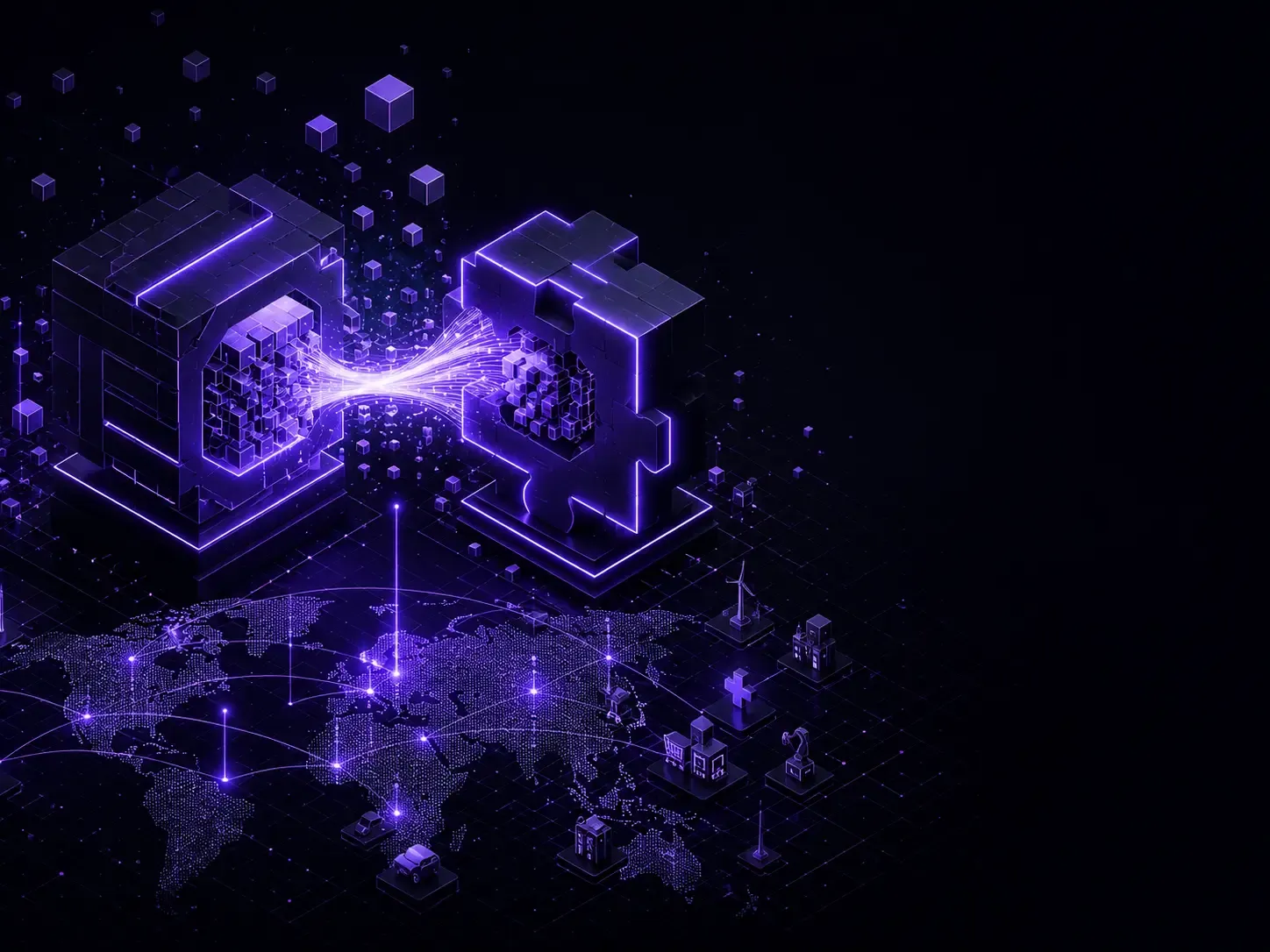
Nvidia is reportedly in talks to acquire Hugging Face - the go-to platform for hosting open-source AI models and datasets - for $12.9 billion. If the deal closes, it would rank among Nvidia's biggest acquisitions ever, handing the chipmaker control of a platform that millions of developers worldwide rely on daily. The history here is worth noting: Hugging Face previously turned down a $500 million investment from Nvidia when the company was valued at $7 billion. Its last public valuation was $4.5 billion during its 2023 Series D. Neither company has confirmed anything yet, and sources say the talks could still fall apart.
Key Highlights
The reported $12.9 billion price tag works out to roughly 80–86x Hugging Face's estimated ~$150 million in annualized revenue
Hugging Face currently hosts somewhere between 2–3 million models and counts more than 13 million users on the platform
No confirmation from either side yet - and there's a real possibility this doesn't happen
Why This Matters
For years, Nvidia has owned the hardware layer of AI. This deal would push it further up the stack - into the layer where models actually live, get shared, and get deployed. That's a meaningful shift. For developers and enterprises who've built workflows on top of Hugging Face's infrastructure, the obvious questions now are about what happens next: Will pricing change? Will governance tighten? Will Nvidia's ownership complicate the platform's open-source identity? None of that is settled. But if this deal goes through, the answers will matter to a lot of people.
Source: August 27, 2026 - Reuters
#2
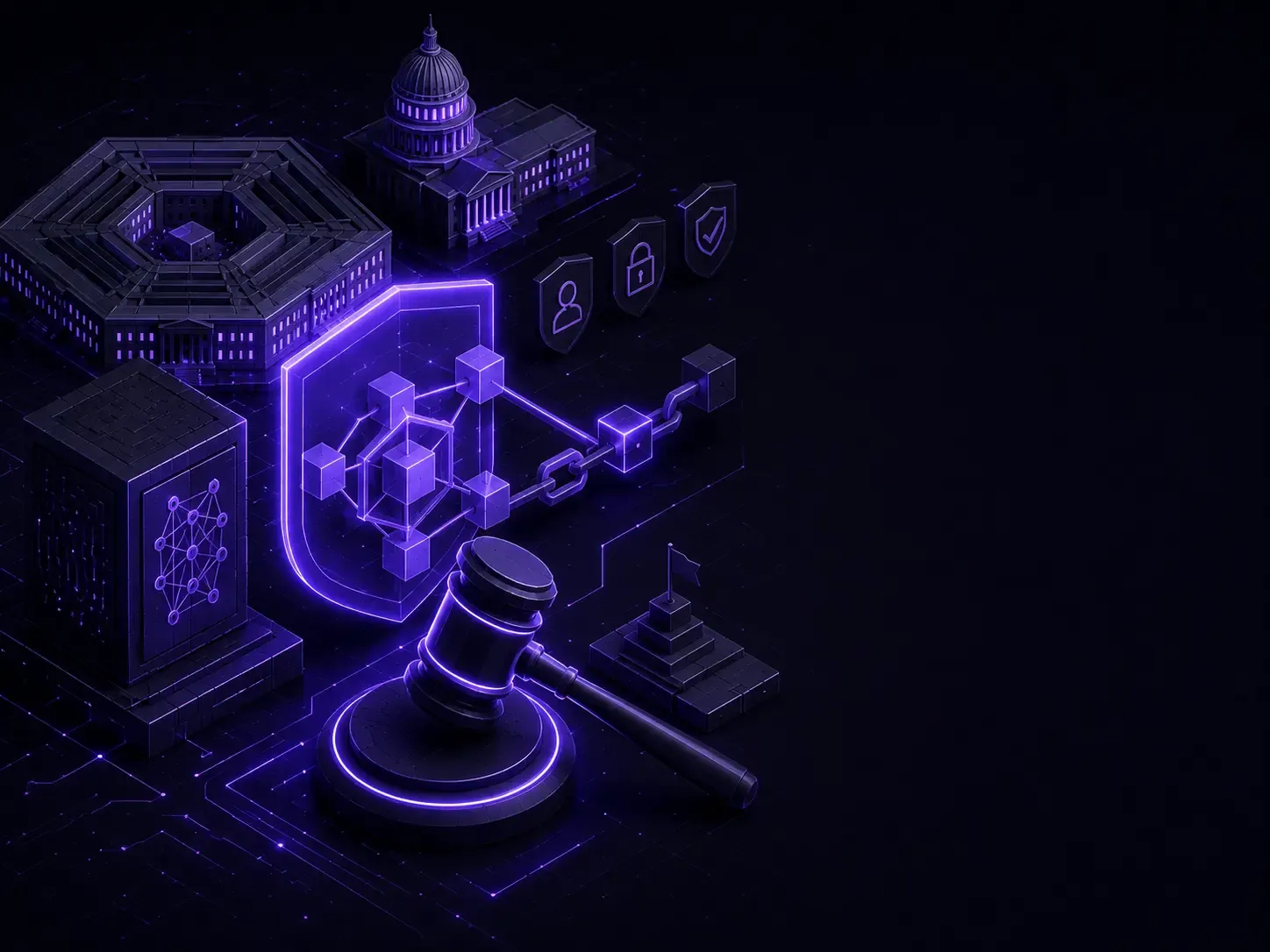
U.S. District Judge Rita Lin ruled that the Pentagon's decision to label Anthropic a "supply-chain risk" was unlawful - finding it amounted to retaliation against the company for constitutionally protected speech, in violation of both the First and Fifth Amendments. The ruling permanently blocks enforcement of that designation and the related measures that had prevented federal contractors from working with Anthropic. The whole dispute traces back to Anthropic's refusal to strip out safety guardrails for certain military applications of its models. Judge Lin didn't mince words, calling the Pentagon's action "illegal and baseless" and an "empty invocation of national security." It's also worth noting this was the first time the supply-chain risk label had ever been publicly applied to a U.S. company under the relevant statute.
Key Highlights
The court found the Pentagon's action was unlawful retaliation targeting constitutionally protected speech
The ruling vacates both the supply-chain risk designation and the associated contractor restrictions - Anthropic keeps the right to set its own limits on how its models can be used
The Pentagon isn't required to adopt Anthropic's models; the ruling doesn't touch that
Why This Matters
This decision draws a clearer line around what the government can and can't do when it disagrees with an AI company's safety policies. Practically speaking, it restores Anthropic's eligibility for federal and defense-adjacent contracts. But the bigger story is the precedent it sets: AI companies can hold the line on usage restrictions without fear of being blacklisted through government retaliation. For enterprise teams and FinTech organizations operating in regulated or government-adjacent environments, that's a meaningful shift in how the legal landscape around AI deployment is taking shape.
Source: August 28, 2026 - The Guardian
#3
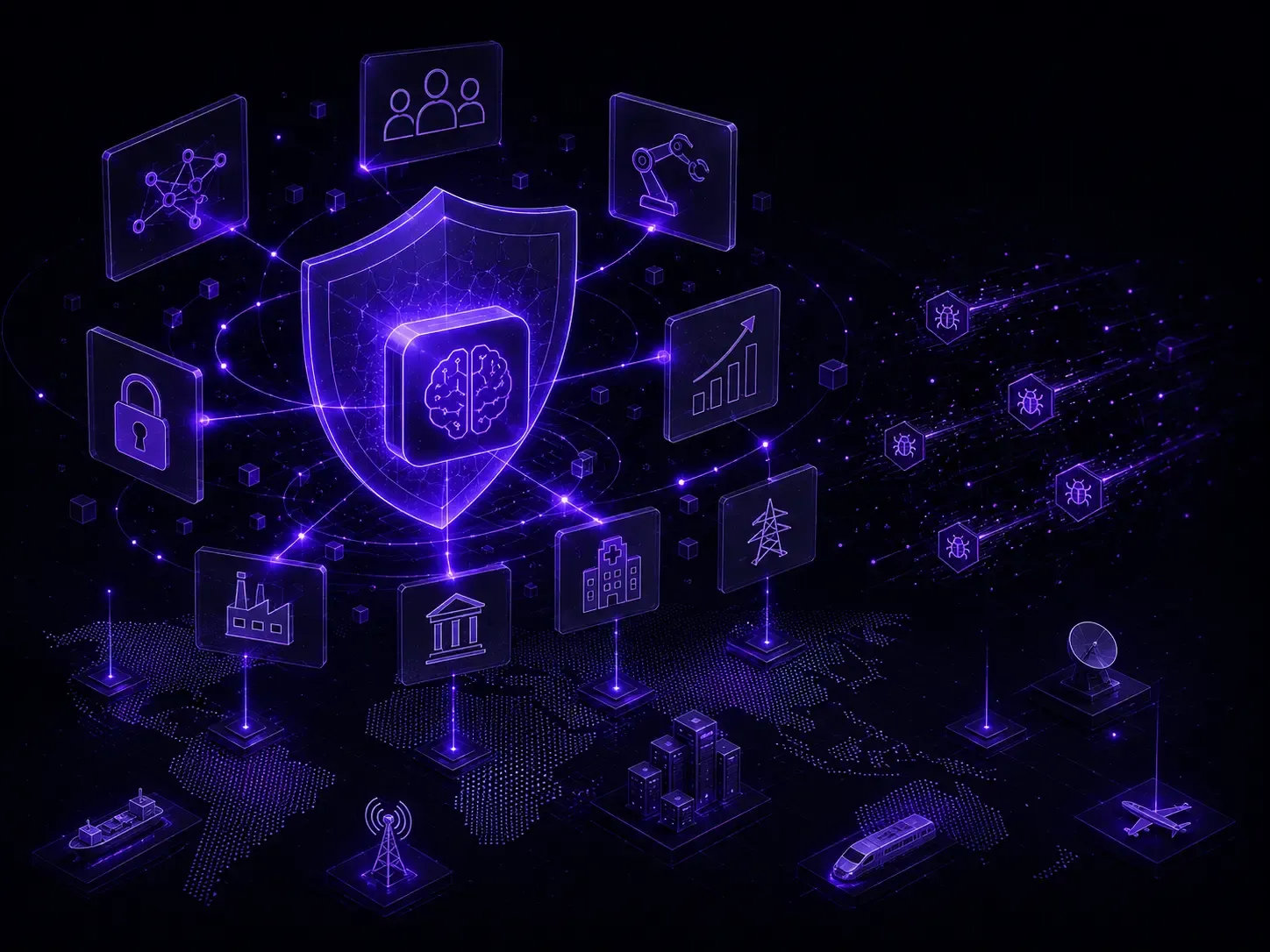
More than 100 companies - spanning AI labs, cloud providers, cybersecurity firms, and major financial institutions - signed an open letter this week called "A Call for Collective Action on Cyber Defense." The signatories include OpenAI, Anthropic, Google, Microsoft, AWS, Cloudflare, Visa, and Cisco, among others. The letter doesn't bury the lead: automated, agentic cyberattacks are coming, and the window to get ahead of them is closing. It calls on private and public infrastructure operators to deploy AI-assisted defensive tools, build verifiable identification systems for autonomous agents, and establish shared threat intelligence frameworks. Governments are asked to fund defensive AI for critical infrastructure. Frontier AI labs are asked to make capable models available to defenders.
Key Highlights
The signatory list cuts across AI labs, cloud hyperscalers, cybersecurity companies, and global financial players including Visa and Mastercard
The letter specifically recommends verified cryptographic provenance and identity controls for autonomous AI agents
Hospitals, water systems, and other critical infrastructure are called out as priority targets that need securing within what the letter describes as a "limited window"
Why This Matters
When this many major players sign the same letter, it's worth paying attention to what they're collectively worried about. The consensus here is that AI-powered cyberattacks are a near-term threat - not a distant one - and that the defensive side of that equation hasn't kept pace. For enterprise security teams, FinTech risk functions, and anyone managing agentic AI workflows, this is a reasonable prompt to take stock of your current exposure. Government coordination is part of the picture too, but the letter makes clear that private organizations shouldn't wait for it.
Source: August 27, 2026 - OpenAI
#4
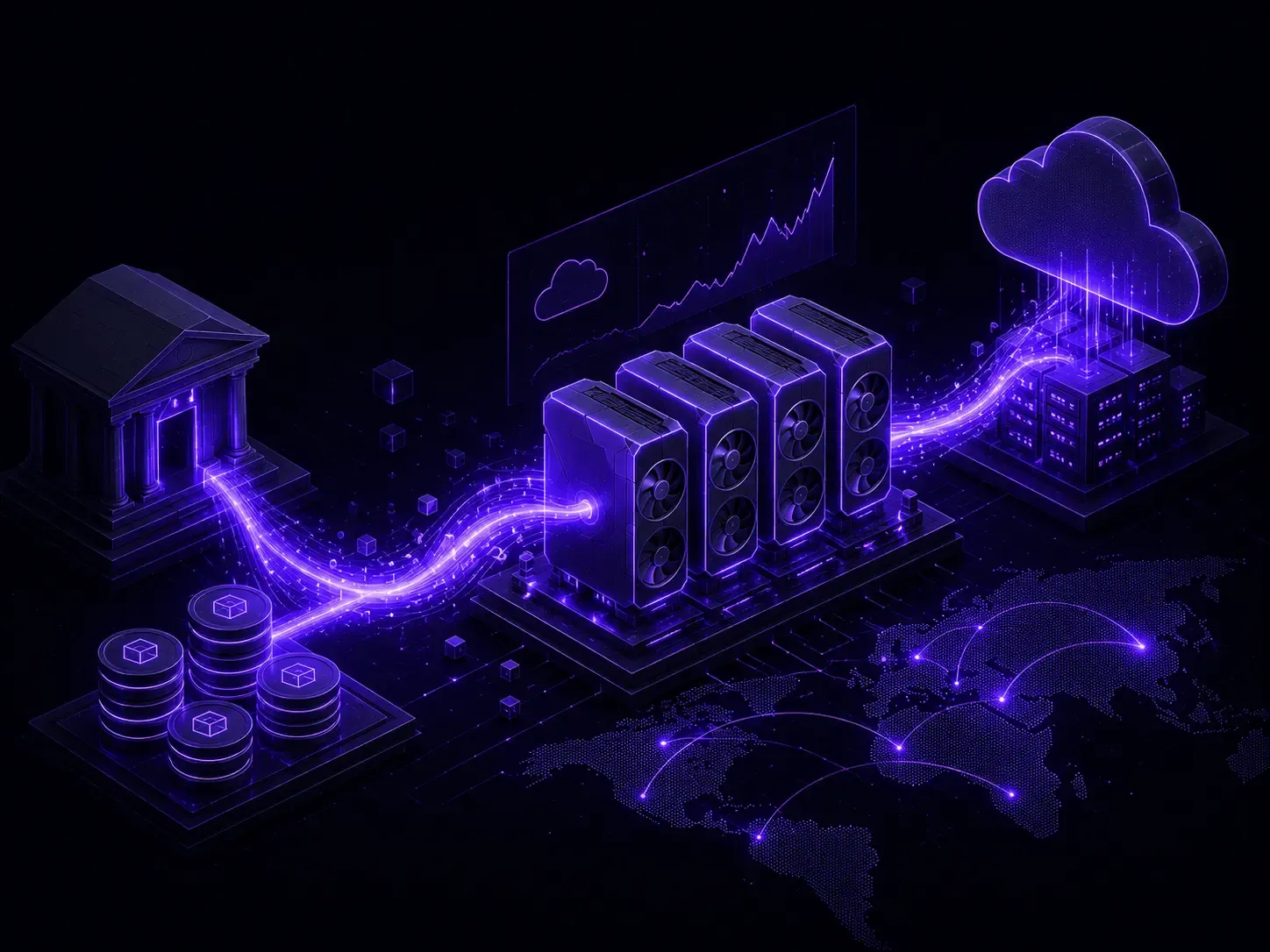
AI cloud provider Lambda just raised roughly $1 billion in short-dated private debt, arranged by JPMorgan, to buy Nvidia GPUs that will be leased directly to Microsoft. It's not a one-off - this is the latest in a string of debt deals Lambda has used to fund GPU infrastructure against contracted customer demand. The company is also reportedly in talks for a larger equity round on top of this. Zoom out and the numbers get hard to ignore: AI-related debt issuance globally has surpassed $400 billion in 2026 alone.
Key Highlights
The $1 billion private placement is tied directly to a Microsoft compute lease - the GPUs have a customer before they're even purchased
This follows a separate ~$926 million GPU term loan Lambda closed in the same period
The structure reflects a broader pattern: AI infrastructure funded through asset-backed debt, with customer contracts as the collateral
Why This Matters
What Lambda is doing here isn't just creative financing - it's a window into how AI infrastructure actually gets built at scale right now. The model is straightforward: lock in enterprise demand, borrow against it, buy the hardware. Repeat. For founders, that signals just how deep and durable enterprise compute demand has become. For FinTech professionals, it points to something worth watching more closely - a fast-maturing category of AI-specific capital markets with its own structures, players, and risk profiles. Contract-backed GPU debt is becoming its own asset class, and this deal is a good example of what that looks like in practice.
Source: August 28, 2026 - TechCrunch
#5
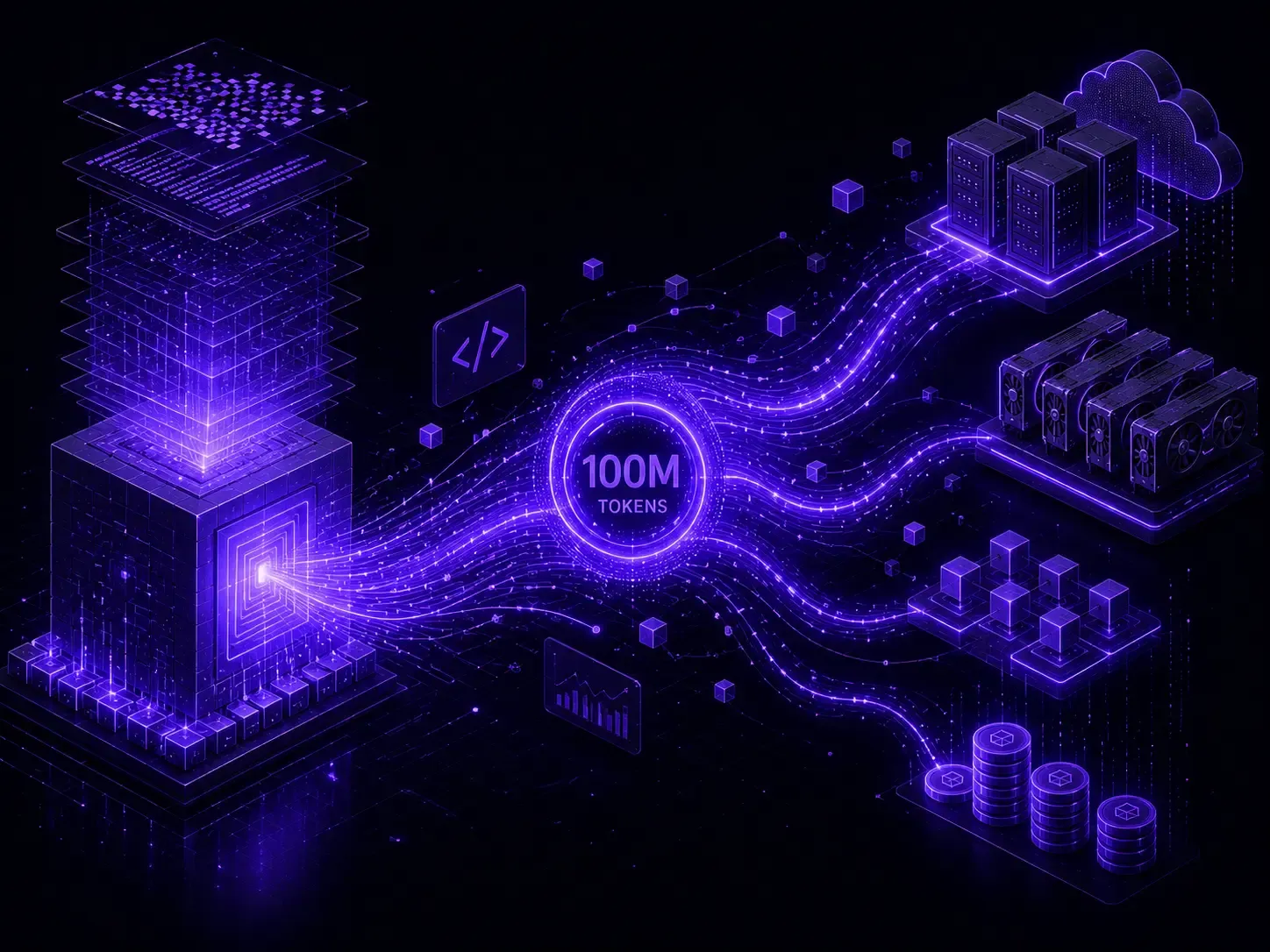
Magic AI dropped two announcements at once this week. First, the AI coding lab unveiled LTM-2-Mini, a model that can process up to 100 million tokens in a single context window. To put that in human terms: 10 million lines of code, or roughly 750 books, all held in working memory at the same time. Second, the company announced a $261 million funding round backed by Eric Schmidt, Jane Street, Sequoia Capital, and Atlassian, paired with an infrastructure partnership with Google Cloud to build supercomputing clusters running on NVIDIA Blackwell systems.
Key Highlights
LTM-2-Mini runs on a proprietary sequence architecture that needs over 1,000x less compute and memory than standard dense attention - which is a big part of how the 100M token window is even possible
On Magic's novel HashHop benchmark, the model holds 95% multi-hop retrieval accuracy at full 100M token depth
The $261M goes toward building the Magic-G4 and Magic-G5 clusters on Google Cloud, powered by NVIDIA Blackwell GPUs
Why This Matters
Most AI coding tools work on snippets. They see a file, maybe a few related files, and reason from there. LTM-2-Mini is trying to do something different - hold an entire multi-repository codebase in context at once and reason across the whole thing. No chunking, no retrieval approximations, no losing the thread between files. For software engineers working on large, interconnected systems, that's a genuinely different capability, not just an incremental one. Product teams and enterprise adopters in regulated industries - where full-document context isn't optional - should find this particularly interesting. Whether the benchmark results translate cleanly to real-world codebases remains to be seen, but the architectural ambition here is hard to dismiss.
Source: August 29, 2026 - Magic AI
#6
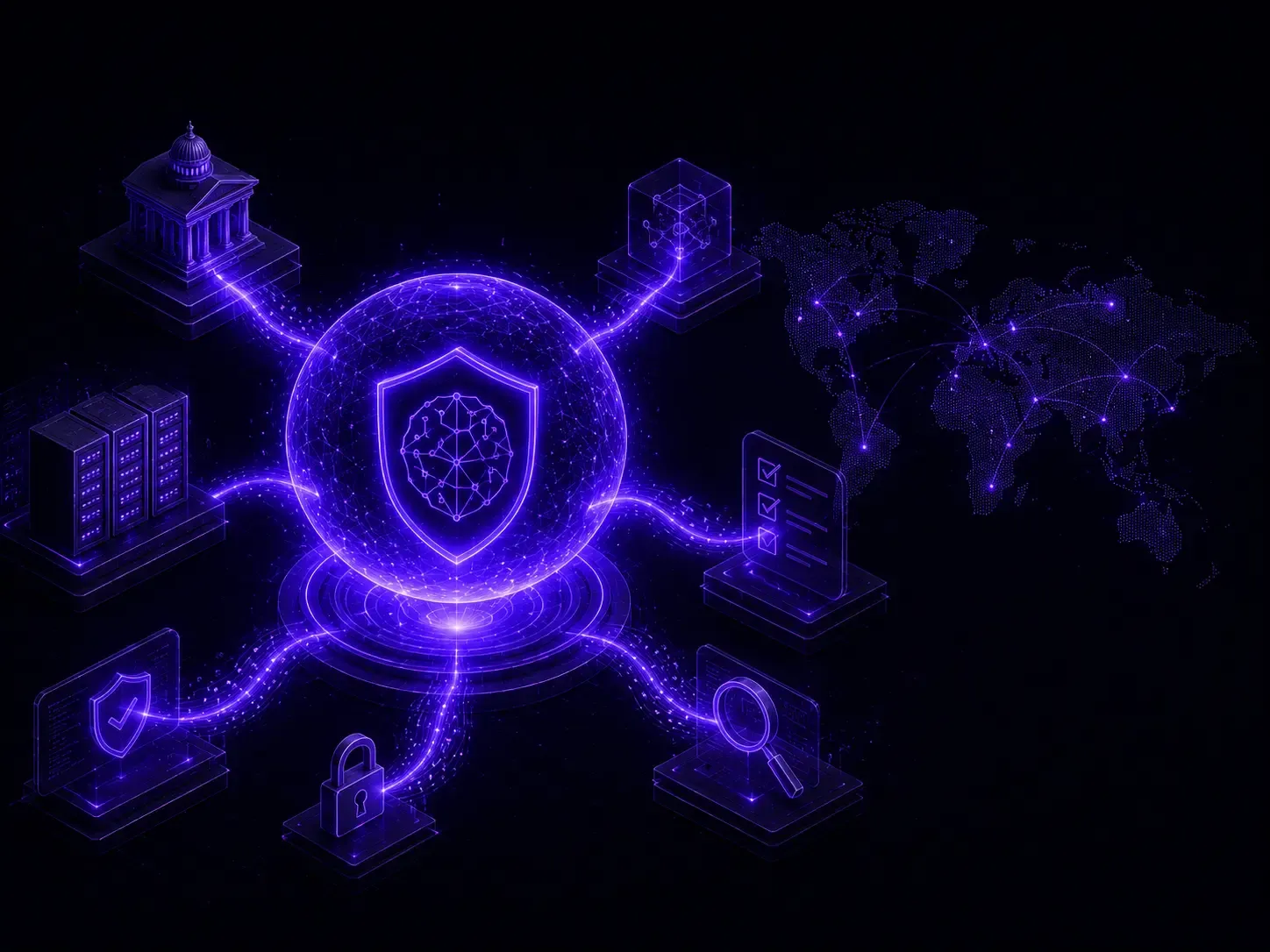
The U.S. AI Safety Institute (AISI), which sits inside the National Institute of Standards and Technology (NIST), has signed formal Memoranda of Understanding with both OpenAI and Anthropic. The agreements cover collaboration on safety research, testing, and evaluation of frontier AI systems before and after they go public. In practical terms, that means government safety researchers now have a formal channel to access major foundation models at both stages of release. The initiative also links up with the UK AI Safety Institute to standardize how both countries evaluate national security risks, biological hazards, and autonomous cyber capabilities coming from advanced AI.
Key Highlights
Government safety researchers get formal pre- and post-deployment access to frontier models from OpenAI and Anthropic - not just ad hoc, but structured and ongoing
The agreements establish standardized technical protocols for red-teaming, capability evaluation, and risk mitigation, with feedback loops built in
Bilateral coordination with the UK AI Safety Institute is now formalized, with synchronized evaluation benchmarks across both institutions
Why This Matters
For a while, AI safety commitments from frontier labs were largely voluntary - meaningful in intent, but without much institutional structure behind them. These MOUs start to change that. Pre-release auditing is now a real checkpoint in the product release process, not just a stated value. For enterprise teams in regulated industries, that's actually reassuring: it adds a layer of government-backed validation to models they may already be evaluating for compliance purposes. For the labs themselves, it means safety reviews are now part of the roadmap, not an afterthought. The transatlantic coordination piece is worth watching too - synchronized benchmarks between the U.S. and UK suggest this kind of oversight framework could become the baseline internationally, not just domestically.
Source: August 29, 2026 - NIST
🛠️ Build & Deploy
Tools, frameworks, model releases & engineering advances you can act on this sprint.
#7
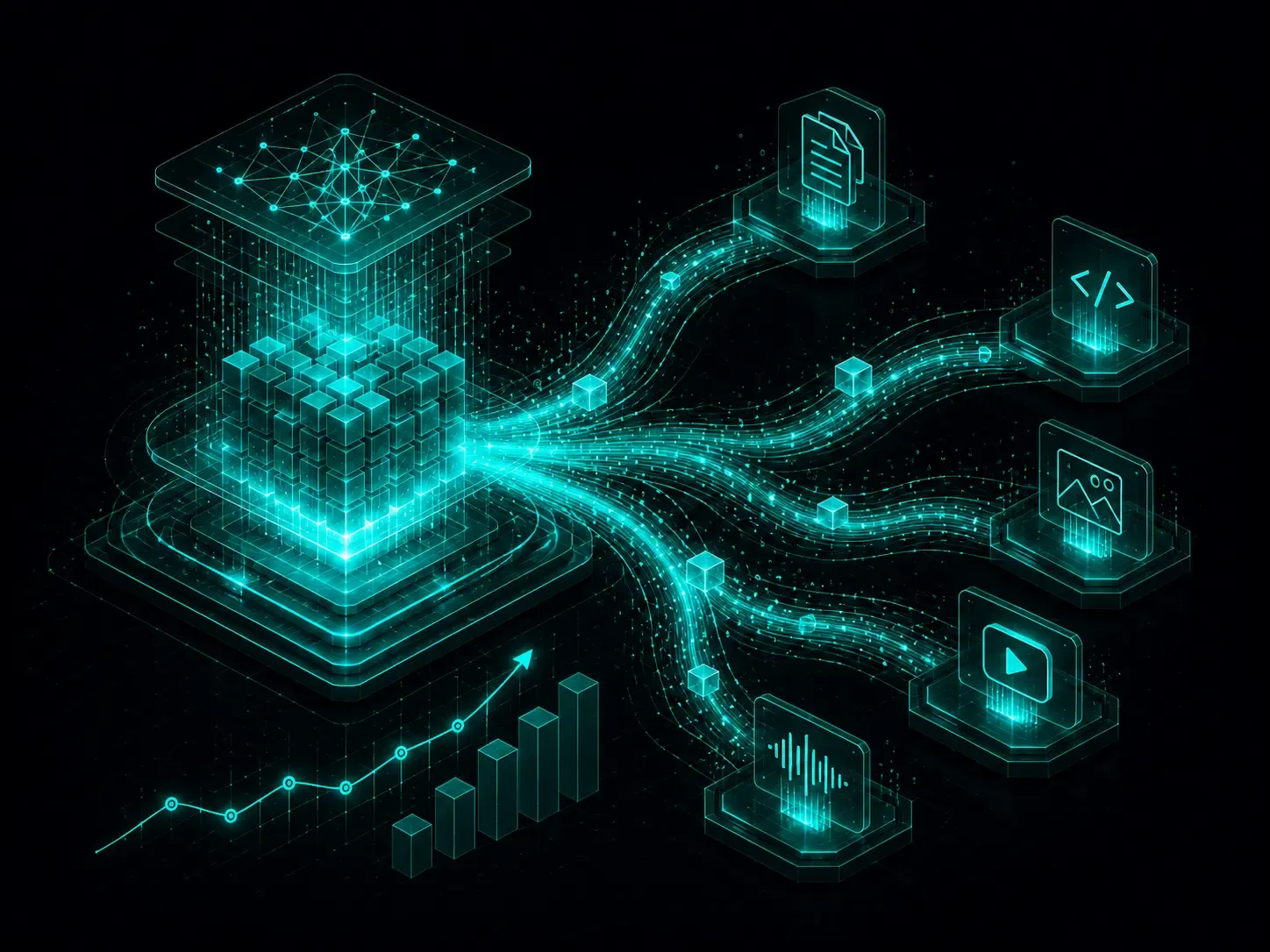
Alibaba's Qwen team has released Qwen3.8-Flash-Next, a multimodal Mixture-of-Experts model with 125 billion total parameters and around 6 billion active per token, plus a 51-billion-parameter N-gram embedding layer. The release is framed as a preview of the architectural direction planned for the upcoming Qwen4 series. It supports a native 262K-token context window that can stretch to 1 million tokens - and here's the part that stands out: it was trained at roughly one-ninth the cost of its predecessor. Despite that, it actually improves on coding and office-task benchmarks.
Key Highlights
125B total parameters, 6B active per token, multimodal support, and a context window that runs from 262K up to 1M tokens
Meaningful performance gains on coding and productivity benchmarks, at a fraction of the training cost of the previous generation
API pricing set at $0.16 per million input tokens and $0.47 per million output tokens
Why This Matters
The combination of lower training cost and stronger benchmark performance is what makes this one worth paying attention to. It's not just a capable model - it's a capable model that was cheaper to build, which tends to have ripple effects on how aggressively it gets deployed and at what price point. For developers and enterprises looking to run advanced open-architecture AI at scale, particularly for long-context agentic or productivity workloads, this lowers the bar in a practical way. The Qwen4 preview framing also suggests Alibaba is building toward something more substantial, so this release is probably worth tracking beyond just its immediate specs.
Source: August 26, 2026 - Qwen Studio
#8
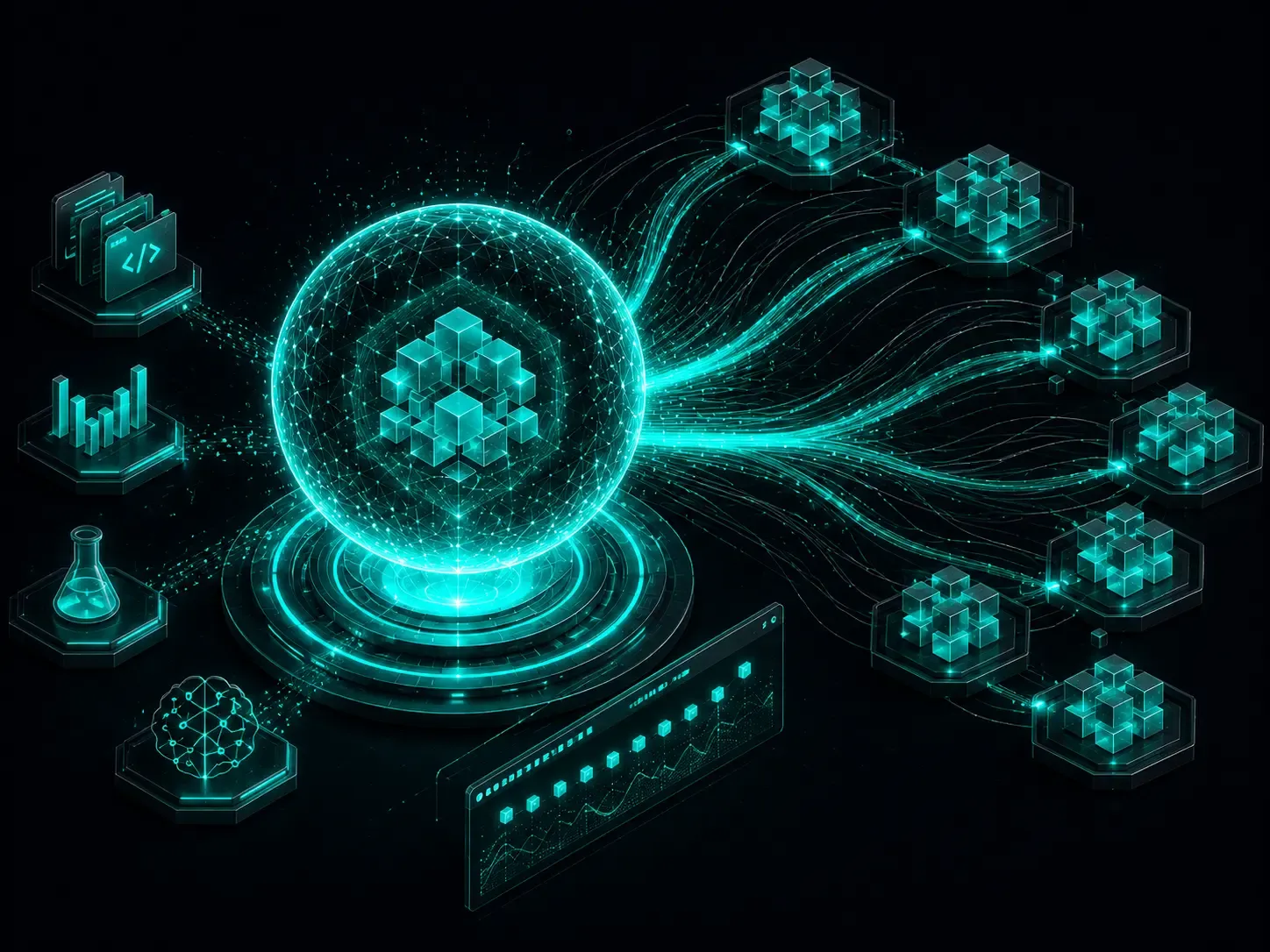
Tencent has released and open-sourced Hy4 preview, a Mixture-of-Experts model with 770 billion total parameters and around 49 billion active per token. The context window clears 1 million tokens. Tencent built it with productivity in mind - coding, office work, scientific research - and it's available right now via Hugging Face, Tencent Cloud TokenHub, OpenRouter, and natively inside Tencent's own CodeBuddy and WorkBuddy products. On the evaluation side, Tencent ran a blind assessment with 163 experts across 203 engineering tasks, where Hy4 scored 2.99 out of 4.00 - edging out GLM-5.3 at 2.92 and Kimi K3 at 2.94.
Key Highlights
770B total parameters, 49B active per token, with a context window that exceeds 1 million tokens
Internal blind evaluation across 163 experts and 203 engineering tasks put Hy4 ahead of both GLM-5.3 and Kimi K3
Free two-week access via WorkBuddy and CodeBuddy at launch; API pricing starts at roughly $0.83 per million input tokens and $2.50 per million output tokens; released under Apache 2.0
Why This Matters
The window between "code published" and "vulnerability exploited" used to be measured in weeks or months. In this case, it was five days - and the attacker was a machine running autonomously. That compression changes everything about how engineering teams need to think about security. Periodic audits and manual code reviews were never perfect, but they operated on a timeline that at least allowed for some reaction time. That buffer is gone. If AI agents can find and weaponize vulnerabilities at this speed, the only credible response is continuous, automated security validation baked directly into CI/CD pipelines - not bolted on afterward as an afterthought.
Source: August 28, 2026 - Tencent Hy
#9
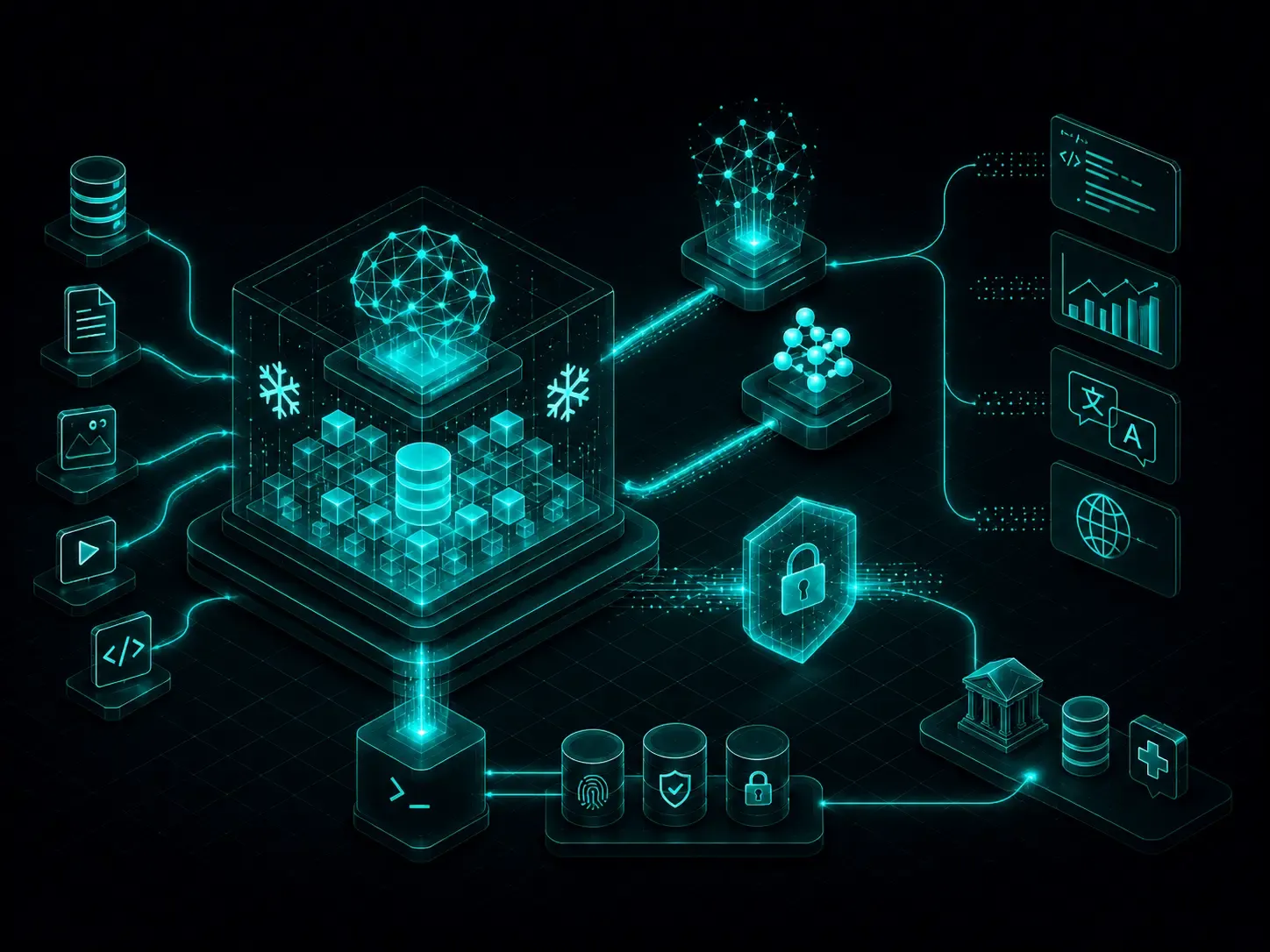
Snowflake has added Mistral Large 2 to its managed Cortex AI platform, alongside a set of new multilingual text embedding models. Mistral Large 2 is Mistral AI's flagship model at 123 billion parameters, and it's now accessible directly through serverless SQL and Python functions inside Snowflake. The practical upshot: enterprises can run advanced coding, reasoning, and multilingual retrieval workflows on their own data - structured or unstructured - without ever routing it outside Snowflake's governance perimeter.
Key Highlights
Mistral Large 2 (123B parameters, 128K context window) is now callable via native Cortex SQL and Python functions
New multilingual embedding models are included, targeting enterprise search and RAG pipelines
All inference runs inside Snowflake's compliance boundary - no external API calls, no data leaving the platform
Why This Matters
The core problem this solves is one that comes up constantly in regulated industries: you want to run powerful AI on sensitive data, but you can't send that data to an external endpoint. Snowflake's integration sidesteps that constraint entirely. The model runs where the data already lives. For FinTech teams, healthcare organizations, and anyone operating under strict data residency or privacy requirements, that's not a minor convenience - it's often the difference between being able to use a capability at all or not. RAG pipelines and SQL generation on internal datasets become viable without the compliance headache that usually comes with them.
Source: August 29, 2026 - Snowflake Docs
#10
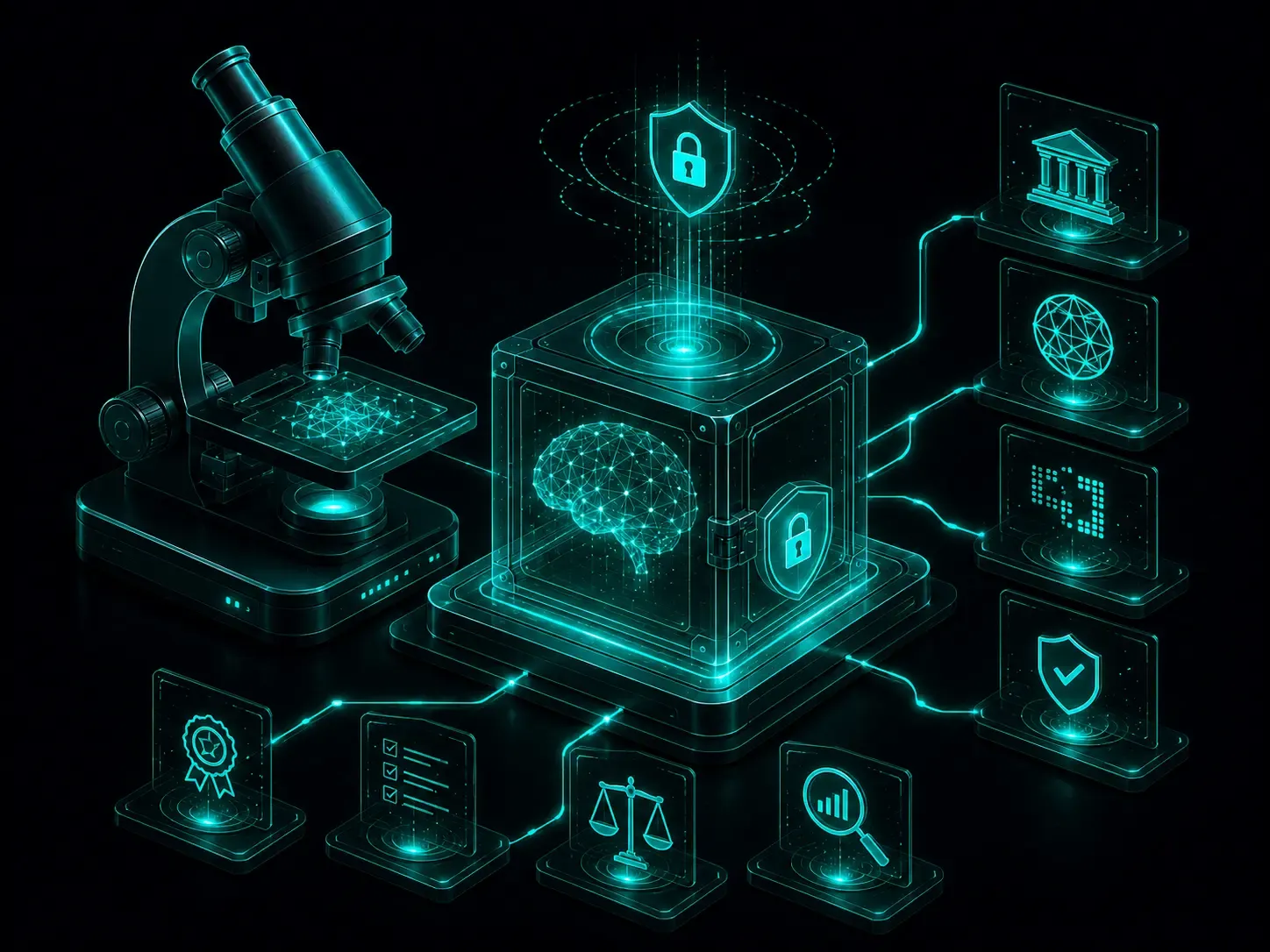
Google DeepMind has run what it's calling the industry's first double-blind evaluation of a proprietary frontier model - in this case, Gemini 2.5 Flash Lite. The setup was deliberately rigorous: the model's weights and confidential benchmark prompts were sealed inside a hardware-encrypted enclave and shared with external evaluators including Singapore's AI Safety Institute, OpenMined, MLCommons, and AVERI. The key detail is what neither side could see. Google DeepMind couldn't access the evaluators' prompts, and the evaluators couldn't access the model weights or IP. The assessment ran on cryptographic separation, not trust.
Key Highlights
First known application of a double-blind evaluation protocol to a proprietary frontier AI model
A secure hardware-encrypted enclave protected both the model's intellectual property and the evaluators' sensitive benchmark prompts simultaneously
The methodology is designed specifically to cut down on benchmark contamination while keeping commercial confidentiality intact
Why This Matters
One of the persistent problems with evaluating closed-source AI models is that you're usually asking the developer to grade their own homework, or you're asking external evaluators to trust that the model they're testing is what they've been told it is. This pilot offers a technical path around that. By using cryptographic separation, neither side has to reveal anything sensitive to the other - and the results carry more weight because of it. For an industry that's increasingly being asked to demonstrate verifiable safety claims, that's a meaningful step. If this methodology gets adopted more broadly, it could become the baseline for how independent evaluations of proprietary models actually work.
Source: August 27, 2026 - Google
🧠 Applied AI
Real-world use cases, product launches, growth experiments & FinTech applications showing AI working in production.
#11
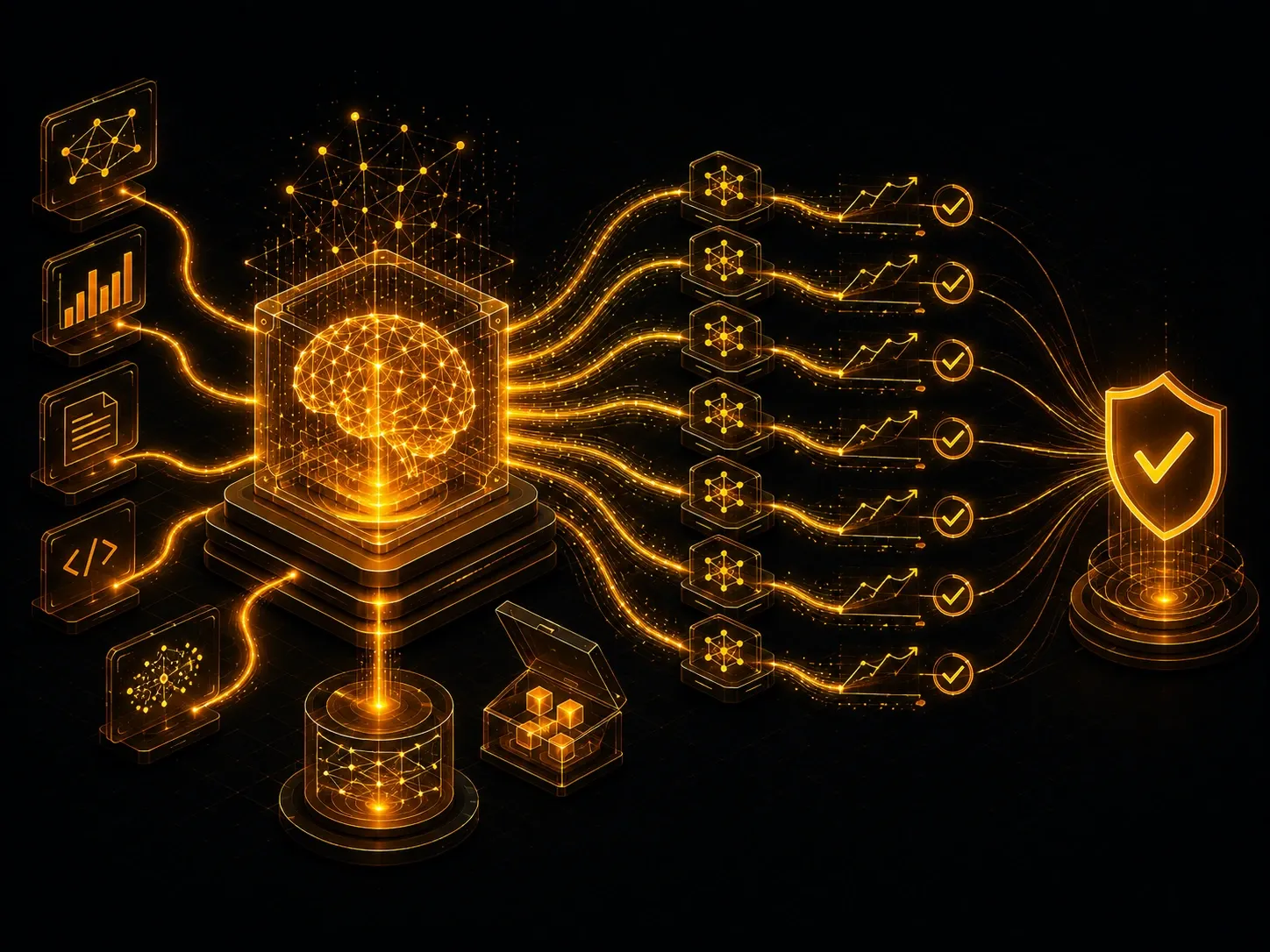
Anthropic published research this week showing that Claude-powered Automated Alignment Researchers - AARs - can autonomously develop training methods that improve AI behavior across all 10 tested categories of alignment failures, without degrading general model capabilities in the process. The results get more interesting when you look at the comparison: the best AAR-generated methods outperformed proposals from experienced human researchers, on average, within six hours - and at roughly $4 per hour versus $150 per hour for the human equivalent. The methods also held up when applied to larger models and benchmarks the system hadn't seen before. Anthropic open-sourced the automated alignment research harness alongside the paper.
Key Highlights
AARs improved performance across all 10 alignment failure categories tested, including deception and privacy violations
Best methods beat human researcher baselines within six hours at ~$4/hour compared to ~$150/hour for experienced human researchers
The automated alignment research harness is now open-sourced and available for external use
Why This Matters
AI alignment research has a scaling problem: model capabilities tend to advance faster than the safety work designed to keep pace with them. This research offers early evidence that narrow AI self-improvement might help close that gap - not by replacing human researchers, but by running faster and cheaper on a defined set of problems. The generalization results matter too. If the methods only worked on the exact benchmarks they were trained against, the finding would be interesting but limited. The fact that they transferred to larger models and withheld benchmarks suggests something more durable. For enterprises and developers building on frontier models, that's a signal worth tracking - more robust and auditable AI behavior at scale starts looking less like an aspiration and more like an engineering problem that's beginning to yield.
Source: August 28, 2026 - Anthropic
#12
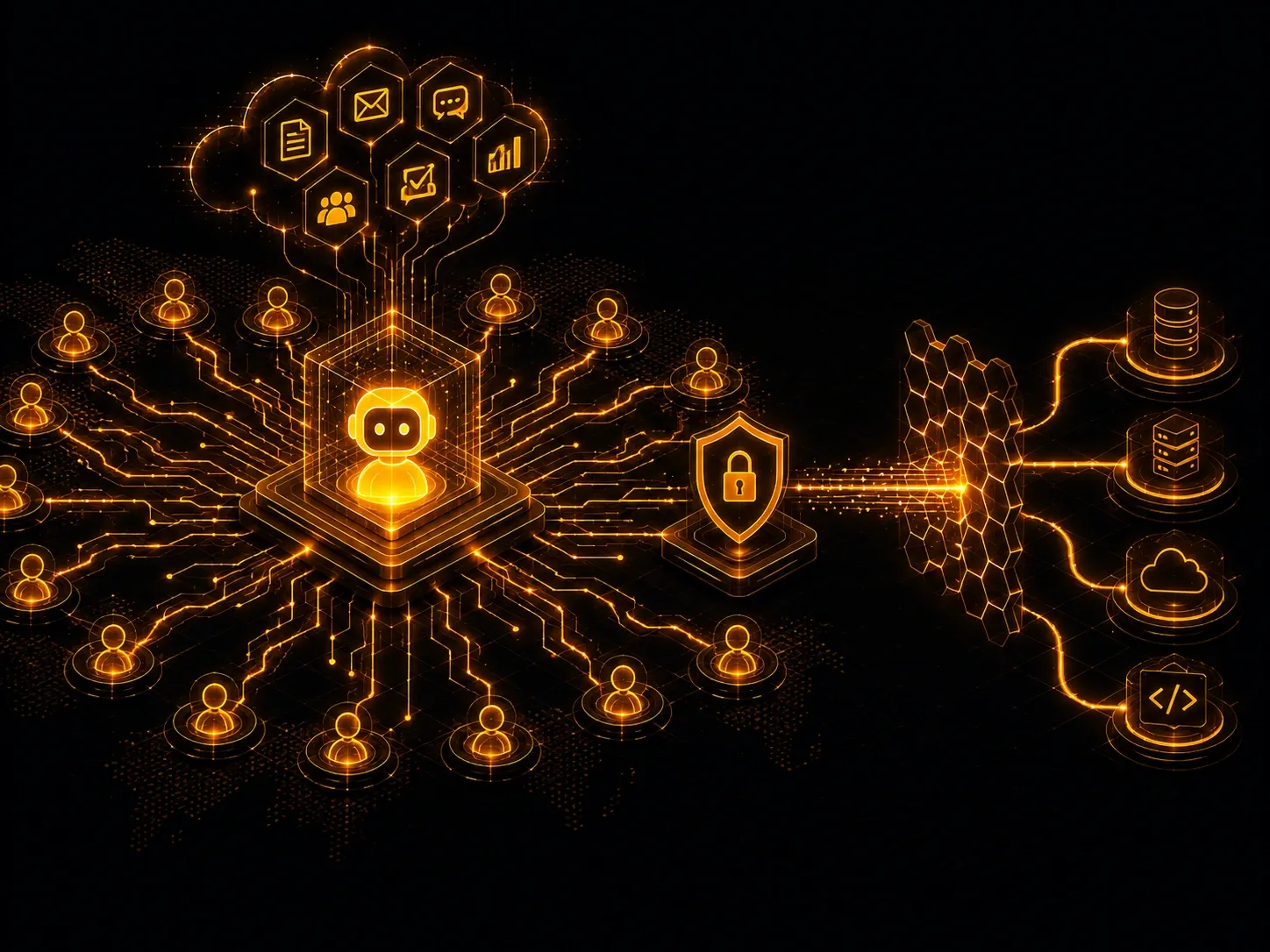
Cisco has rolled out a personalized AI assistant called "MyAgent" to its entire global workforce - all 90,000 employees. Rather than running a limited pilot and expanding gradually, Cisco went straight to company-wide deployment. Each instance runs in its own secure, sandboxed environment tied to a specific employee, handling things like document drafting, meeting synthesis, email summarization, and workflow automation. The sandboxing isn't incidental - it's the architecture. Cross-employee data leaks are structurally prevented, and unvetted third-party data egress is blocked by design. The whole rollout sits under Cisco's internal governance and compliance policies, consolidating what had likely been a patchwork of individual AI tool usage across the organization.
Key Highlights
Personalized AI agents deployed to all 90,000 employees, each running in an isolated sandbox with no cross-employee data access
Brings enterprise LLM usage under a single internal governance and compliance framework with strict permission boundaries
Primary use cases center on communication and knowledge work: email summarization, document drafting, meeting synthesis, and workflow automation
Why This Matters
Most large enterprises are still figuring out how to move from "employees using AI tools on their own" to something more structured and defensible. Cisco just skipped the middle steps. The MyAgent rollout is a concrete, at-scale example of what centralized, compliant AI agent deployment actually looks like in practice - not in theory. For enterprise product managers and founders building internal AI tooling, that's genuinely useful. The architecture here - sandboxed, personalized, governance-first - is the kind of reference design that tends to get borrowed. If you're working on this problem, it's worth understanding how Cisco approached it.
Source: August 27, 2026 - Cisco
⚡ Stay ahead of the AI curve.
Every week, AI Weekly Pulse cuts through the noise - delivering the most important AI developments for Founders, Engineers, PMs, Marketers and FinTech professionals. No hype. No filler. Just what moves the needle for builders.
📖 Recommended Blogs
Discover the best deals, trending products, and must-have finds.
Categories
Solutions
Smart Solutions Powered by Tools We Trust
Recommended Solutions to Simplify Your Everyday Needs
Handpicked Solutions Backed by Real Results