Ink & Algorithms
AI News This Week: Enterprise AI News | AI Weekly Pulse #2
The week of June 29 brought something that doesn't happen often: a frontier AI model got pulled from global markets over cybersecurity concerns, and then came back - all within three weeks. That kind of regulatory whiplash, combined with Anthropic shipping Claude Sonnet 5 as its new default at $2 per million tokens and Cognition cutting autonomous coding costs by 35% with Devin Fusion, tells you where AI model releases and agentic AI deployment are actually headed in the second half of 2026: faster, cheaper, and under closer government watch than ever. Dig into this week's full breakdown to see what these AI infrastructure shifts mean for your stack, your budget, and your competitive position.
Are you building your AI architecture around a single vendor - and is this week's news finally the reason to stop?
📈 Macro Shifts
Big-picture AI policy, research breakthroughs & industry moves that reshape the landscape every builder
operates in.
#1
Anthropic quietly made Claude Sonnet 5 the new default for Free and Pro users on June 30, 2026 - and the numbers behind that decision are hard to argue with. It hits 63.2% on SWE-bench Pro, edges out Claude Opus 4.8 on Terminal-Bench 2.1 (80.4% vs 74.6%), and comes in at $2 per million input tokens and $10 per million output tokens through August 31, 2026. It also ships with a 1M token context window, stronger tool use, and noticeably better performance on agentic and coding tasks.
Key Highlights:
Takes over from Claude Opus 4.8 as the go-to model for most workloads.
Beats Opus 4.8 on the benchmarks that matter, at a fraction of the price.
Introductory pricing of $2/$10 per million tokens locked in through August 31, 2026.
Plugs straight into existing Claude tools and platforms - no migration headaches.
Source: June 30, 2026 - Anthropic Newsroom
#2
After the US Department of Commerce lifted export controls, Anthropic brought Claude Fable 5 back to global users on July 1, 2026. The model had been off the table since June 12 following cybersecurity concerns - a three-week window that left international teams scrambling. It's back now, but not unchanged: the redeployment comes with tighter safety classifiers and stricter behavioral constraints baked in. Anthropic also used the moment to propose something broader - an industry-wide jailbreak severity scoring framework, developed alongside Amazon, Microsoft, and Google. Claude Mythos 5 is a different story; it stays locked to approved US organizations for now.
Key Highlights:
Global access restored after a suspension that started June 12, 2026.
Stricter safety classifier layer and updated behavioral constraints now in place.
Joint proposal for standardized jailbreak evaluation developed with major cloud partners.
Claude Mythos 5 remains restricted to approved US organizations.
Source: July 1, 2026 - Anthropic Newsroom
#3
Etched just hit a $5 billion valuation, and the math behind it is straightforward: $1 billion in sales orders for its Sohu Transformer chip. The company's whole bet is that building silicon exclusively for transformer model inference - rather than repurposing general-purpose GPUs - will win on cost-per-token and energy efficiency when it counts most: in production.
Key Highlights:
$5 billion valuation secured on the back of major enterprise orders.
$1 billion in sales booked for the specialized Sohu transformer chip.
Hardware built for one job - running transformer models at inference time.
Targets better cost-per-token and energy efficiency than general-purpose GPUs.
Source: June 30, 2026 - TechCrunch
#4
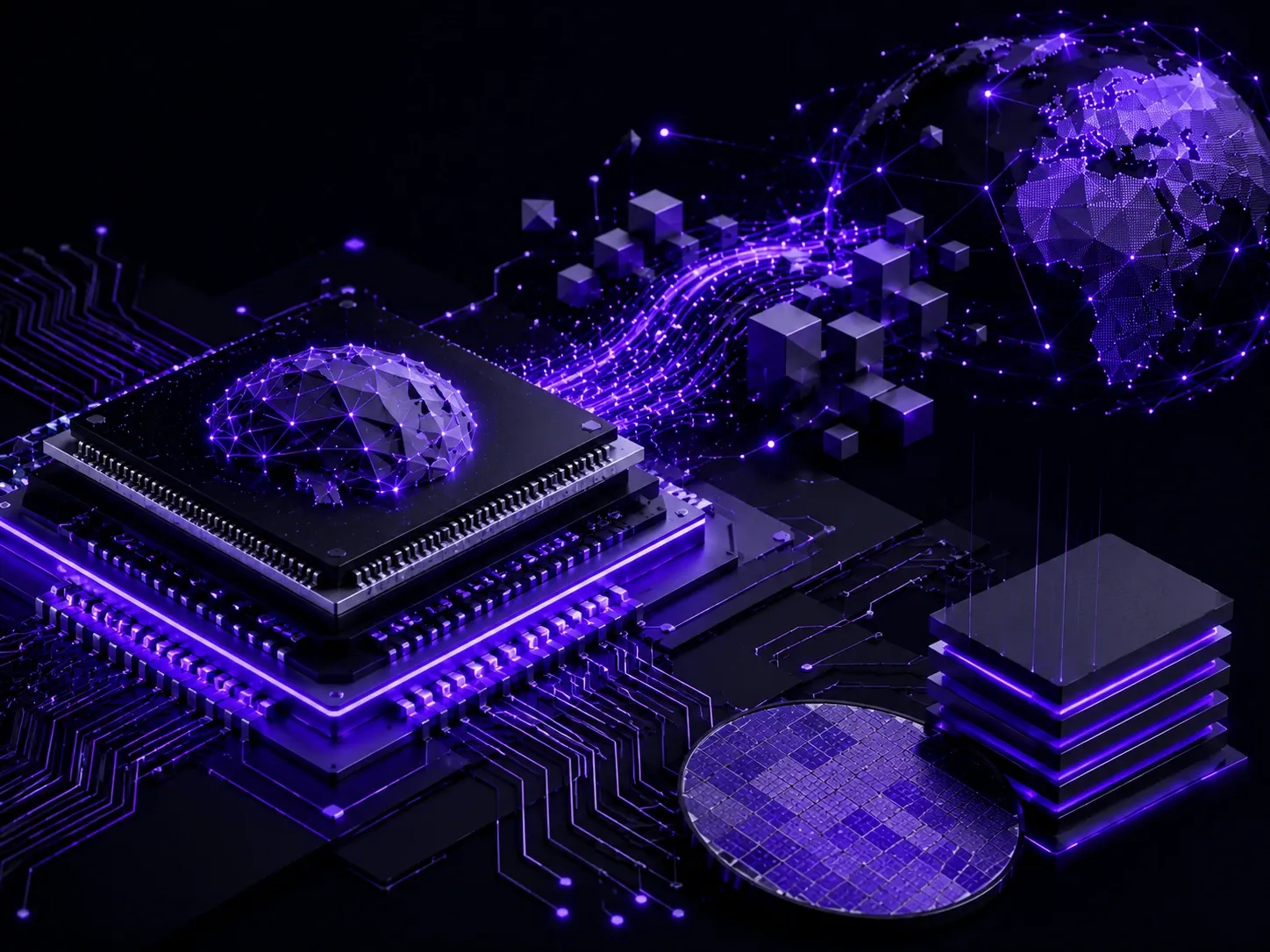
Anthropic is in early talks with Samsung Electronics to build a custom AI accelerator chip on Samsung's 2-nanometer SF2P process. It's still exploratory, but the direction is clear. The initiative follows a string of hires from OpenAI's custom silicon program, and the goal is straightforward: reduce dependence on existing GPU suppliers by bringing more of the compute stack in-house. The existing partnerships with Google, Amazon, and Nvidia aren't going anywhere - this would sit alongside them, not replace them.
Key Highlights:
Early-stage talks centered on Samsung's advanced 2-nanometer foundry process.
Anthropic has been actively hiring from OpenAI's custom silicon program.
Aimed at diversifying compute supply and reducing reliance on existing GPU suppliers.
Intended to complement - not replace - existing hardware partnerships with Google, Amazon, and Nvidia.
Source: July 2, 2026 - TechCrunch
#5
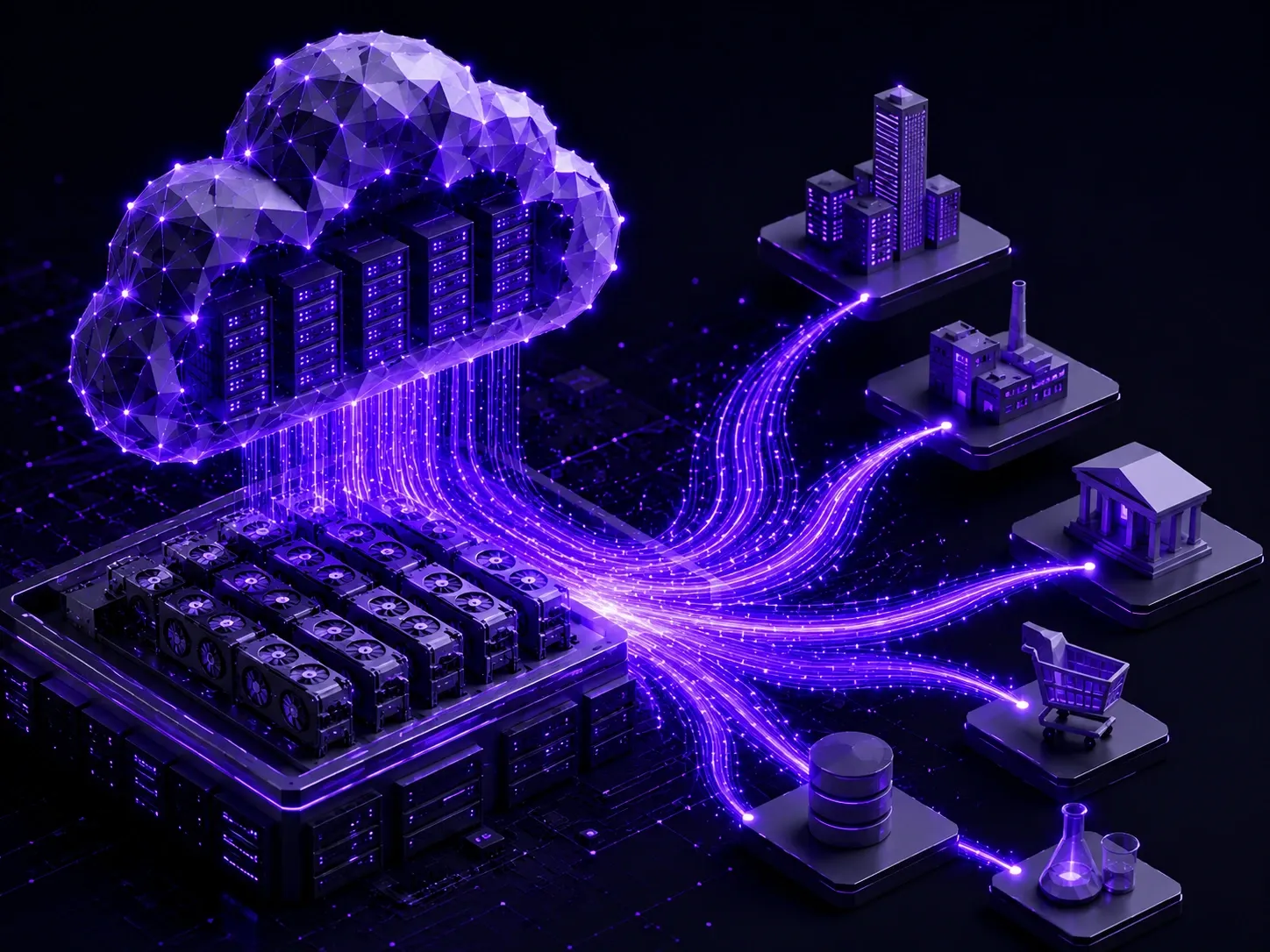
Meta is building something it's calling "Meta Compute" - an internal initiative to turn its sprawling AI infrastructure into a commercial product. The plan is to offer enterprises two things: API access to hosted AI models, much like Amazon Bedrock, and raw GPU compute capacity along the lines of what CoreWeave sells today. The underlying motivation isn't hard to read. Meta has poured $600 billion into data centers, and those clusters sit idle between training runs. Selling that capacity is a way to claw some of that back - and it puts Meta in direct competition with AWS, Google Cloud, and Azure.
Key Highlights:
Exploring hosted model APIs modeled after Amazon Bedrock.
Plans to offer raw GPU compute capacity in the vein of CoreWeave.
Designed to monetize idle cluster capacity between major training runs.
Has the potential to disrupt hyperscaler pricing and GPU availability across the broader market.
Source: July 1, 2026 - Techzine
#6

New York didn't ease into this one. The Synthetic Performer Law took effect on June 29, 2026, and went into active enforcement the same day. Any advertiser running an ad that features a synthetic human performer, a deepfaked voice, or an AI-generated likeness of a real person now has to disclose it - clearly and conspicuously. No grace period, no phased rollout. Agencies and brands that skip the disclosure face financial penalties and civil litigation exposure. And because New York is New York, the industry expectation is that this effectively becomes a national standard whether other states follow or not.
Key Highlights:
Clear, conspicuous AI disclosure required in any ad using synthetic performers or deepfakes.
Covers digital, print, and broadcast advertising running in New York.
Non-compliance opens agencies and brands to financial penalties and civil litigation.
Given New York's weight as a media market, the law is widely expected to set a de facto national standard.
Source: July 3, 2026 - Transparency Coalition Legislative Update
🛠️ Build & Deploy
Tools, frameworks, model releases & engineering advances you can act on this sprint.
#7
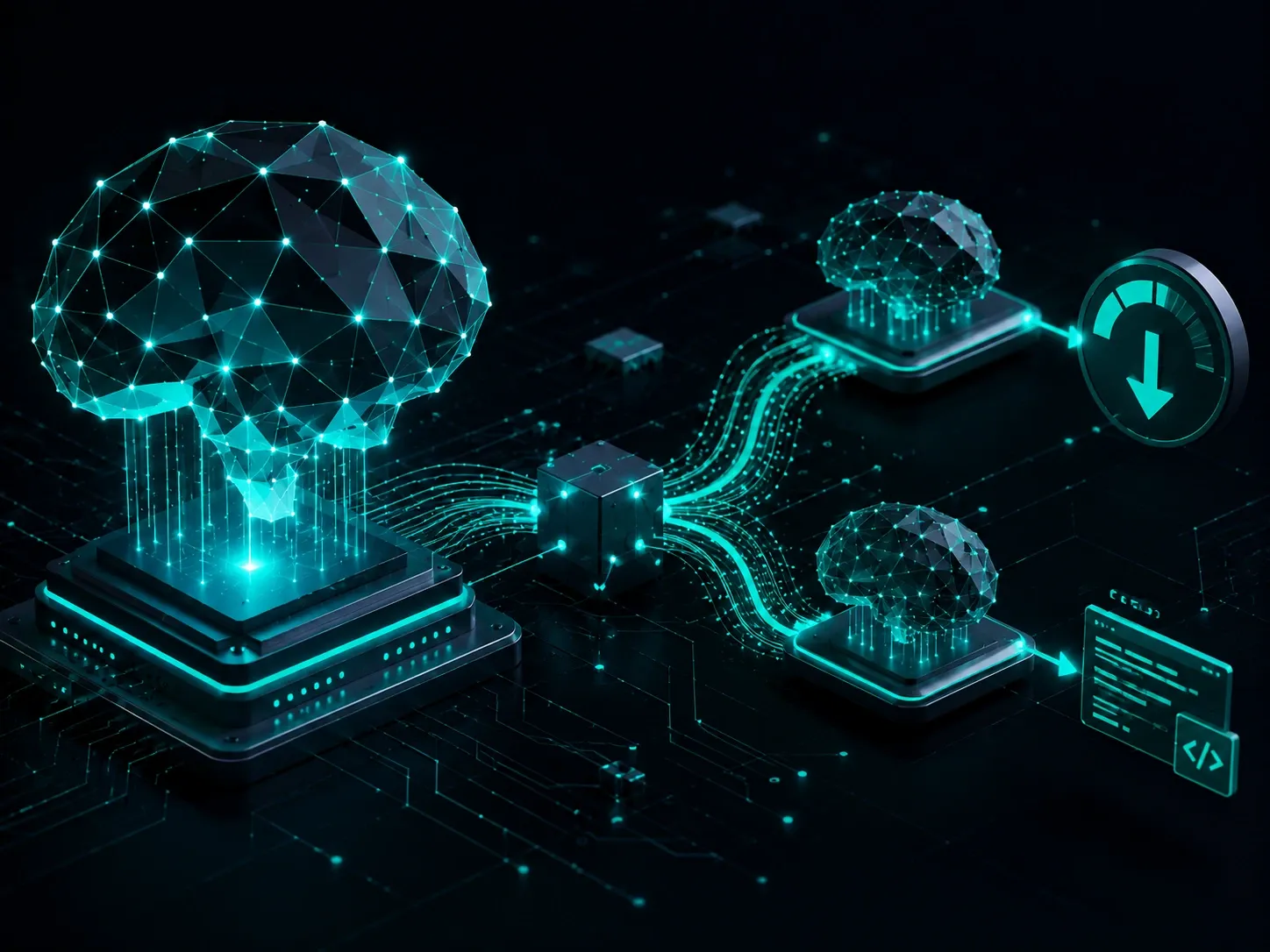
Cognition shipped Devin Fusion, and the core idea is clever: instead of running a single expensive frontier model for everything, the system pairs that main agent with a cheaper sidekick model and routes tasks between them dynamically mid-session. The key detail is that it does this without dropping cached context - which is usually where hybrid routing falls apart. The result on the FrontierCode benchmark was a 35% cost reduction with no meaningful performance trade-off. Internally, it drove 88% of Cognition's merged pull requests during testing. That's not a demo metric - that's the team eating their own cooking.
Key Highlights:
Runs two fully capable agents in parallel, routing work between them to manage costs and performance.
Dynamic mid-session model switching without losing cached context - the part that usually breaks.
35% cost reduction on the FrontierCode benchmark.
Drove 88% of Cognition's internal merged pull requests during testing.
Source: June 29, 2026 - Cognition
#8
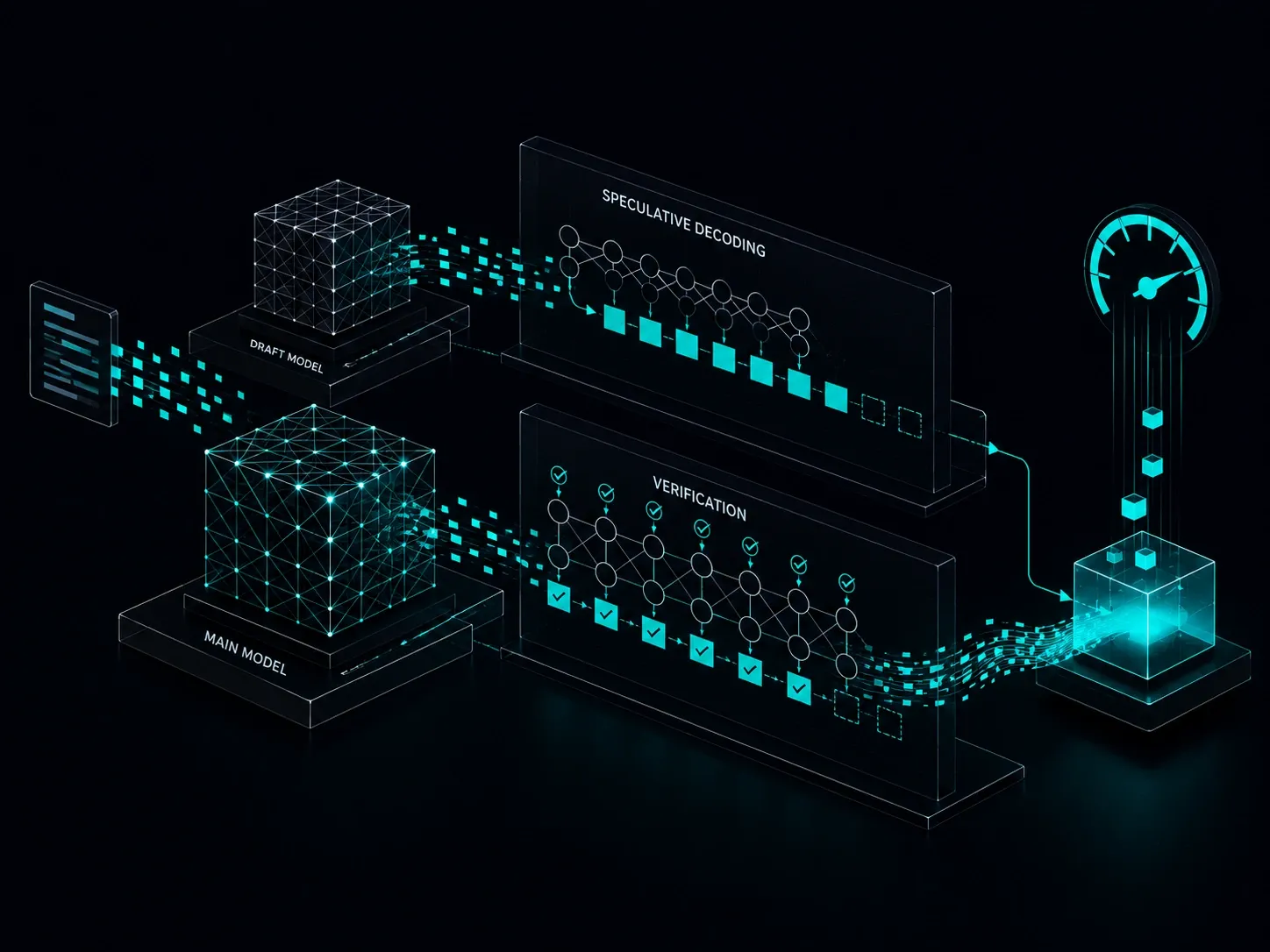
DeepSeek and Peking University open-sourced DSpark this week, and the headline number is hard to ignore: up to 85% faster LLM inference, no new hardware required, no changes to model weights. The mechanism is speculative decoding - a smaller draft model predicts tokens ahead of time while the main model verifies them. It sounds like the kind of shortcut that would degrade output quality, but validated testing on DeepSeek-V4-Flash showed 60–85% per-user generation speed improvements with output quality that's identical to the original. It's MIT-licensed and built to drop straight into existing pipelines.
Key Highlights:
60–85% faster per-user generation speed - no hardware changes, no weight modification needed.
MIT-licensed and fully open-source, ready to integrate into existing pipelines.
Uses semi-autoregressive generation and confidence-scheduled verification under the hood.
Output quality is identical to the original model.
Source: June 29, 2026 - VentureBeat
#9
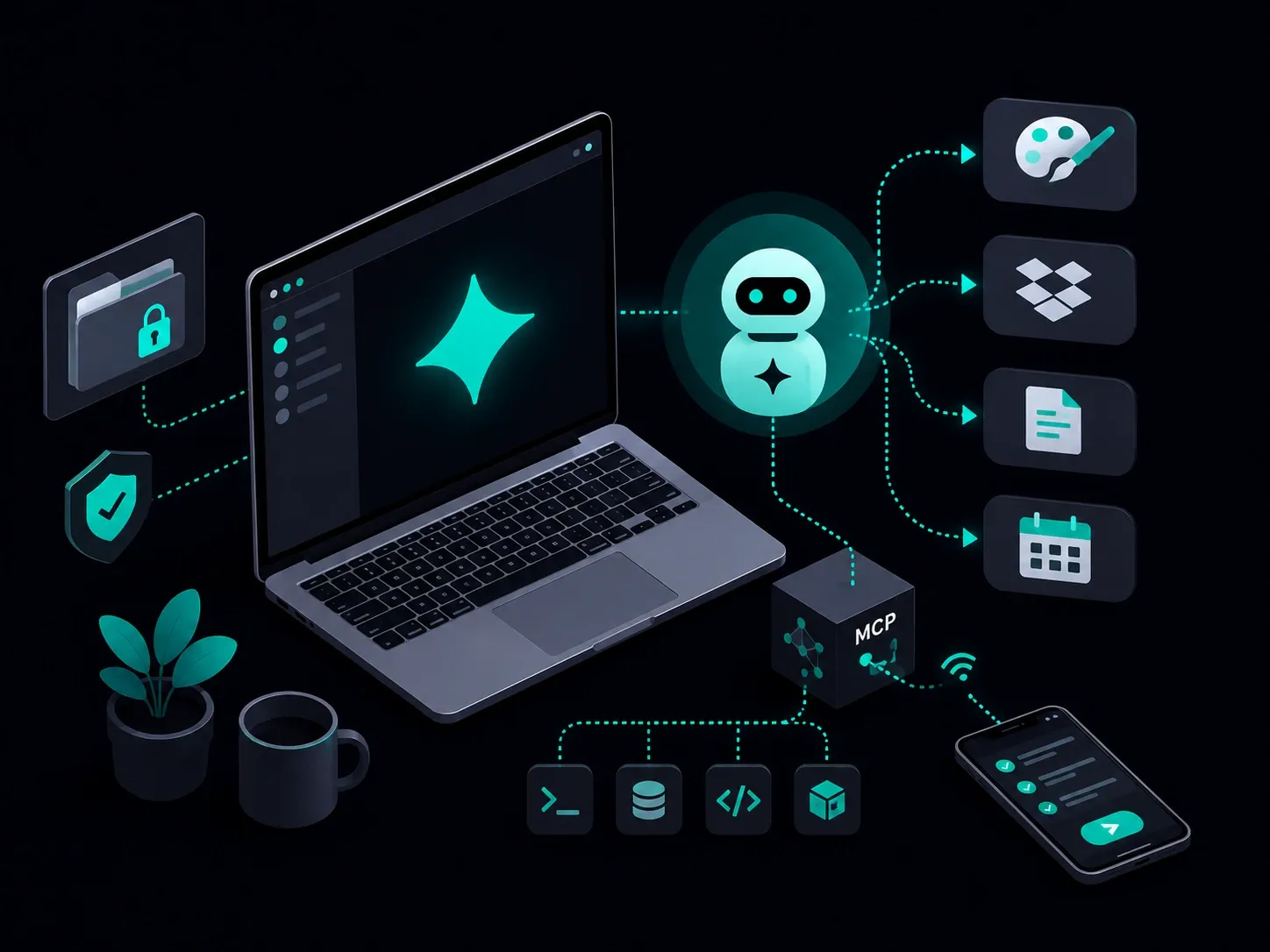
Google launched a beta of Gemini Spark for its macOS app, and this one is worth paying attention to. It's not another chat interface - it's agentic desktop automation with permissioned file access, meaning the model can actually touch your local files and applications, not just talk about them. It connects natively with Canva, Dropbox, and Google Workspace out of the box, and supports custom Model Context Protocol connections for internal enterprise tooling. The detail that stands out most: you can assign multi-step tasks to it remotely from your phone and let it run on your desktop while you're away.
Key Highlights:
Automates desktop tasks like file sorting and spreadsheet building directly on your machine.
Supports custom MCP connections for internal enterprise tooling.
Native integrations with Canva, Dropbox, and Google Workspace included.
Can execute multi-step tasks assigned remotely from a phone.
Source: June 30, 2026 - Google Blog
🧠 Applied AI
Real-world use cases, product launches, growth experiments & FinTech applications showing AI working in production.
#10
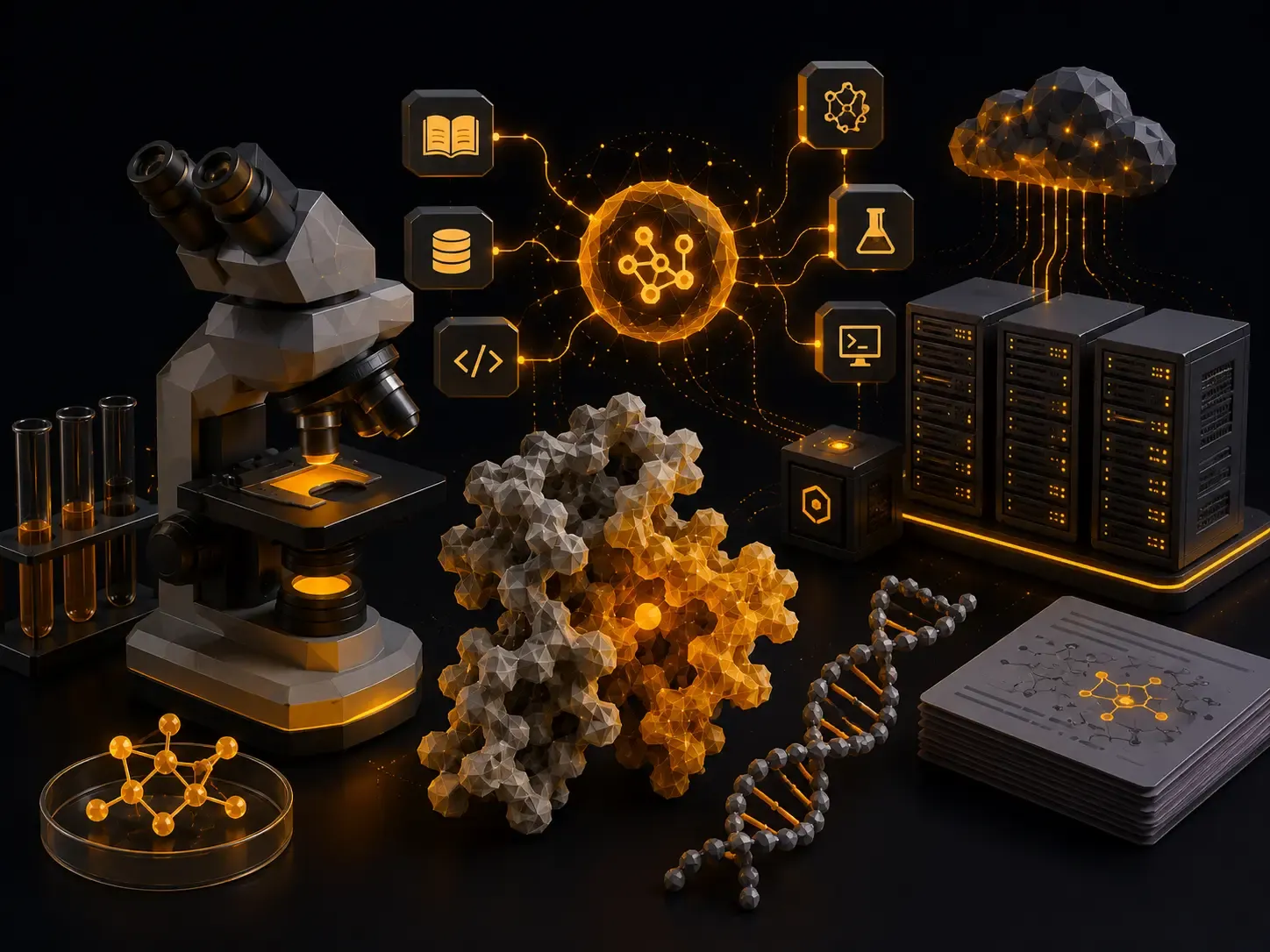
Anthropic built Claude Science for researchers who are tired of stitching together a dozen different tools to get anything done. The workbench pulls more than 60 databases, coding environments, and computational resources into one place - including NVIDIA's BioNeMo toolkit - so researchers can move between literature analysis, 3D protein structure rendering, and HPC compute jobs over SSH without context-switching out of the environment. Manuscripts and figures come out with full auditable code histories, and every output is reproducible. For anyone working in professional research or drug discovery, that last part isn't a nice-to-have.
Key Highlights:
Brings together 60+ scientific databases, coding tools, and HPC compute resources in one environment.
Manages computational tasks on local infrastructure or HPC clusters over SSH.
Generates manuscripts and figures with auditable, reproducible code histories.
Built around auditability and reproducibility - the standards professional research actually demands.
Source: June 30, 2026 - Anthropic Newsroom
#11

Google shipped two things worth noting here. Nano Banana 2 Lite is its fastest image model yet, built for speed and cost efficiency rather than raw quality ceiling. Alongside it, Gemini Omni Flash moved into public preview via API - a natively multimodal model that gives enterprises something they haven't had direct API access to before: the ability to build custom, dynamic video workflows from the ground up.
Key Highlights:
Nano Banana 2 Lite arrives as Google's fastest, most cost-efficient image generation model.
Gemini Omni Flash hits public preview via API.
Developers can now build custom video-centric workflows for the first time.
Source: June 30, 2026 - Google Blog
⚡ Stay ahead of the AI curve.
Every week, AI Weekly Pulse cuts through the noise - delivering the most important AI developments for Founders, Engineers, PMs, Marketers and FinTech professionals. No hype. No filler. Just what moves the needle for builders.
📖 Recommended Blogs
Discover the best deals, trending products, and must-have finds.
Categories
Solutions
Smart Solutions Powered by Tools We Trust
Recommended Solutions to Simplify Your Everyday Needs
Handpicked Solutions Backed by Real Results