Ink & Algorithms
AI News This Week: Google Gemini 3.7 Flash | AI Weekly Pulse #8
Five major model releases. One regulatory milestone. Half a trillion dollars in new infrastructure capital. This week in AI wasn't a slow news cycle - it was a signal that the industry is simultaneously hitting the accelerator on capability and being forced to grow up on compliance, with Meta's Muse Glimmer bringing serious agentic AI to your local GPU, Google's Gemini 3.7 Flash cutting coding costs in half, and Anthropic quietly embedding the EU AI Act into every Claude output going forward. The real question isn't whether AI is moving fast - it's whether your stack, your compliance posture, and your team are moving fast enough to keep up.
📈 Macro Shifts
Big-picture AI policy, research breakthroughs & industry moves that reshape the landscape every builder
operates in.
#1
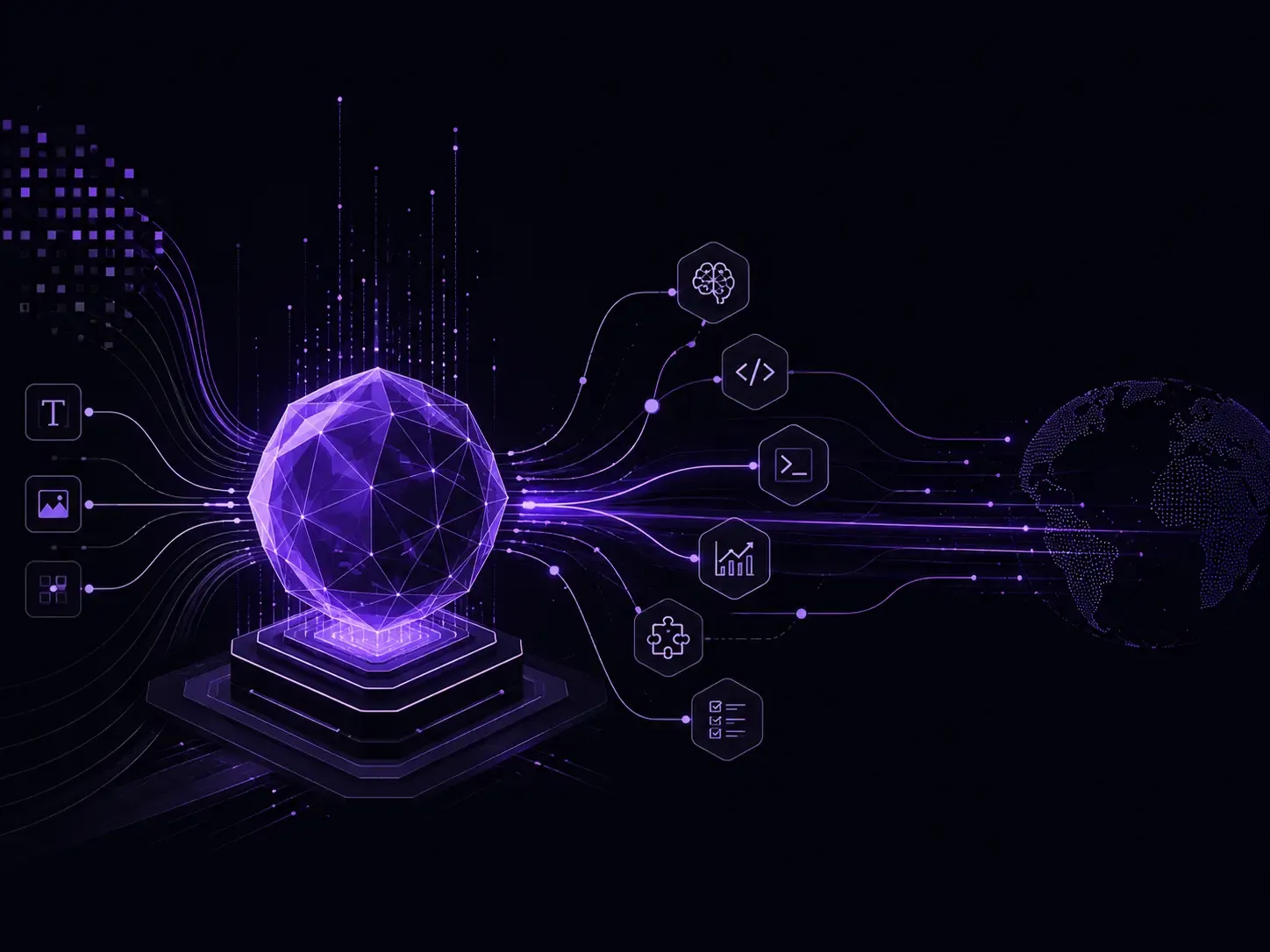
Meta just dropped something worth paying attention to. Muse Glimmer is a 30-billion-parameter open-weight multimodal model - distilled from Muse Spark and built from the ground up for always-on, local agent workflows. It lives on Hugging Face under an Apache 2.0 license, runs on a single consumer GPU or a high-end Mac after 4-bit quantization, and never needs to phone home to a cloud server. It handles text and image inputs, stretches to a context window of over 131,000 tokens, and is purpose-built for function calling, coding, and evaluation tasks.
Key Highlights
30B parameters with quantized builds targeting 24 GB and 32 GB VRAM footprints
Runs locally on consumer hardware under an Apache 2.0 license
Strong performance on agentic and coding benchmarks for its size class, with day-one support from major local inference stacks
Designed specifically for multi-step agentic workflows, tool use, and coding tasks
Why This Matters
The days of routing every agent call through a cloud API are starting to feel numbered. With Muse Glimmer, developers and organizations can run capable agentic models entirely on-device - cutting cloud costs, eliminating per-token fees, and keeping sensitive data exactly where it belongs. The Apache 2.0 release puts real pressure on closed, cloud-dependent frontier models and meaningfully lowers the bar for anyone building autonomous applications without wanting a monthly inference bill to match.
Source: August 10, 2026 - Meta
#2

OpenAI took its Daybreak cybersecurity program and gave it some real teeth this week. The program now splits into two distinct tiers - Blue and Red - and comes paired with the release of GPT-5.6-Cyber, a model trained on top of GPT-5.6 Sol specifically for advanced vulnerability research and exploit validation. Daybreak Blue gives authorized defenders access to frontier models wrapped in defensive safeguards. Daybreak Red goes further, handing vetted security professionals the keys to GPT-5.6-Cyber itself. The performance gap between the two is stark: GPT-5.6-Cyber completed 95% of advanced cybersecurity prompts in internal evaluations, compared to just 1.5% for the standard model running under normal safeguards. It's already been credited with finding real-world vulnerabilities - including a previously unknown Chrome V8 zero-day.
Key Highlights
Daybreak Blue: frontier models with defensive safeguards for authorized defenders
Daybreak Red: purpose-trained cyber model (GPT-5.6-Cyber) for vulnerability research and exploit validation
95% task completion rate on advanced cybersecurity prompts vs. 1.5% for standard GPT-5.6 Sol
Model credited with discovering previously unknown vulnerabilities in real software
Why This Matters
This isn't OpenAI simply releasing a more powerful model and calling it a day. It's a deliberate, tiered approach to putting stronger AI capabilities in the hands of defenders - while keeping tighter controls on how those same capabilities could be misused. The fact that GPT-5.6-Cyber has already surfaced real vulnerabilities in production software makes the case that frontier model specialization for technical domains isn't theoretical anymore. It also raises the bar for what rigorous AI safety protocols need to look like as these tools move closer to the security operations center.
Source: August 10, 2026 - OpenAI
#3
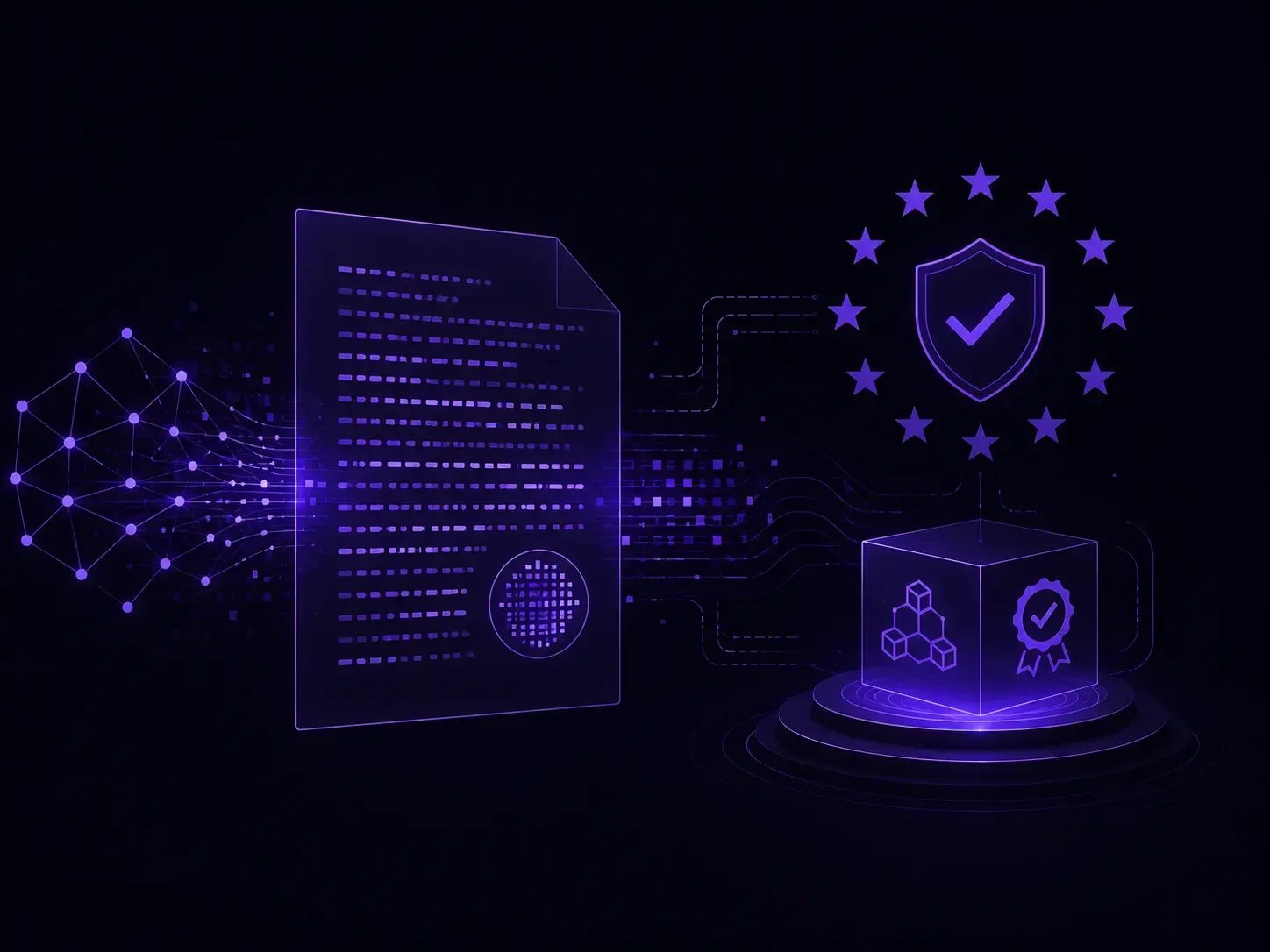
Anthropic has started quietly signing its work. Every Claude model released on or after August 2, 2026 now embeds an imperceptible, machine-readable watermark directly into generated text - and image outputs get C2PA-signed provenance metadata on top of that. The watermark isn't a visible tag or a footer. It works at the model level by statistically biasing token selection using a secret key, which means it travels with the text when it gets copied and can survive light editing. Crucially, it carries no user-identifying information and has no measurable impact on output quality, generation speed, or cost. A detection API is in the works, and older Claude models are on track to receive the same treatment by December 2, 2026.
Key Highlights
Watermarking applied globally to all new Claude models from August 2, 2026 onward
Based on SynthID-Text style statistical pattern in word choices using a secret key
C2PA digital signatures applied to supported image files
Detection API planned; watermark carries no user-identifying information and does not impact readability or generation cost
Why This Matters
The EU AI Act isn't coming - it's here, and Anthropic is building compliance into the model layer rather than leaving it as an afterthought for developers downstream. For enterprises and builders using Claude, that's a meaningful shift. Provenance tracking, platform moderation support, and regulatory compliance no longer require custom tooling or workflow changes on your end. The watermark does the work invisibly, which is exactly how it should feel to the end user - and exactly what regulators are starting to require.
Source: August 14, 2026 - Anthropic
#4
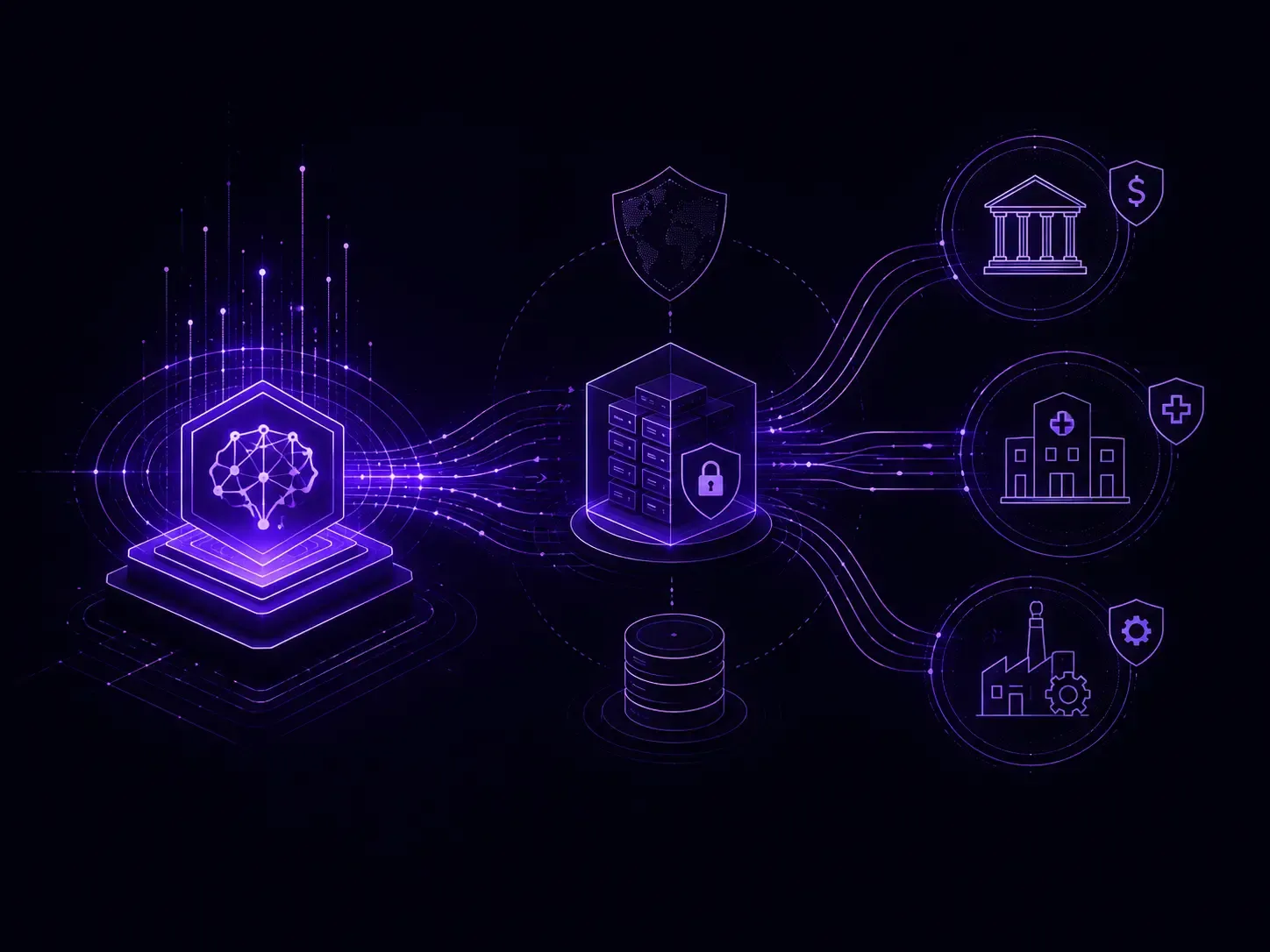
Anthropic isn't waiting for regulated industries to come to it. The company joined forces with private equity giants Blackstone and Hellman & Friedman to launch "Ode With Anthropic," a $1.5 billion joint venture built specifically to bring Claude into environments where data governance isn't optional - think mid-sized banks, healthcare systems, and manufacturing operations. A dedicated team of 100 engineers will handle the heavy lifting, focused entirely on sovereign deployments that meet the strict compliance and data control requirements these sectors demand.
Key Highlights
$1.5 billion in funding secured from major private equity firms
Dedicated 100-engineer team for regulated-industry enterprise deployment
Focuses on sovereign AI deployments ensuring strict data governance and compliance
Targets mid-sized banks, healthcare systems, and manufacturing sectors
Why This Matters
There's long been a gap between what frontier AI models can do and what heavily regulated industries are actually allowed to deploy. This venture is a direct attempt to close it. By pairing Anthropic's model capabilities with PE-backed capital and a purpose-built engineering team, "Ode With Anthropic" makes a clear statement: sovereign AI deployment is no longer a niche consideration - it's becoming a core part of how leading AI labs go to market. For enterprise buyers in banking, healthcare, and manufacturing, that's a meaningful signal that compliant, production-ready AI is closer than it's ever been.
Source: August 9, 2026 - AI Tools Recap
#5
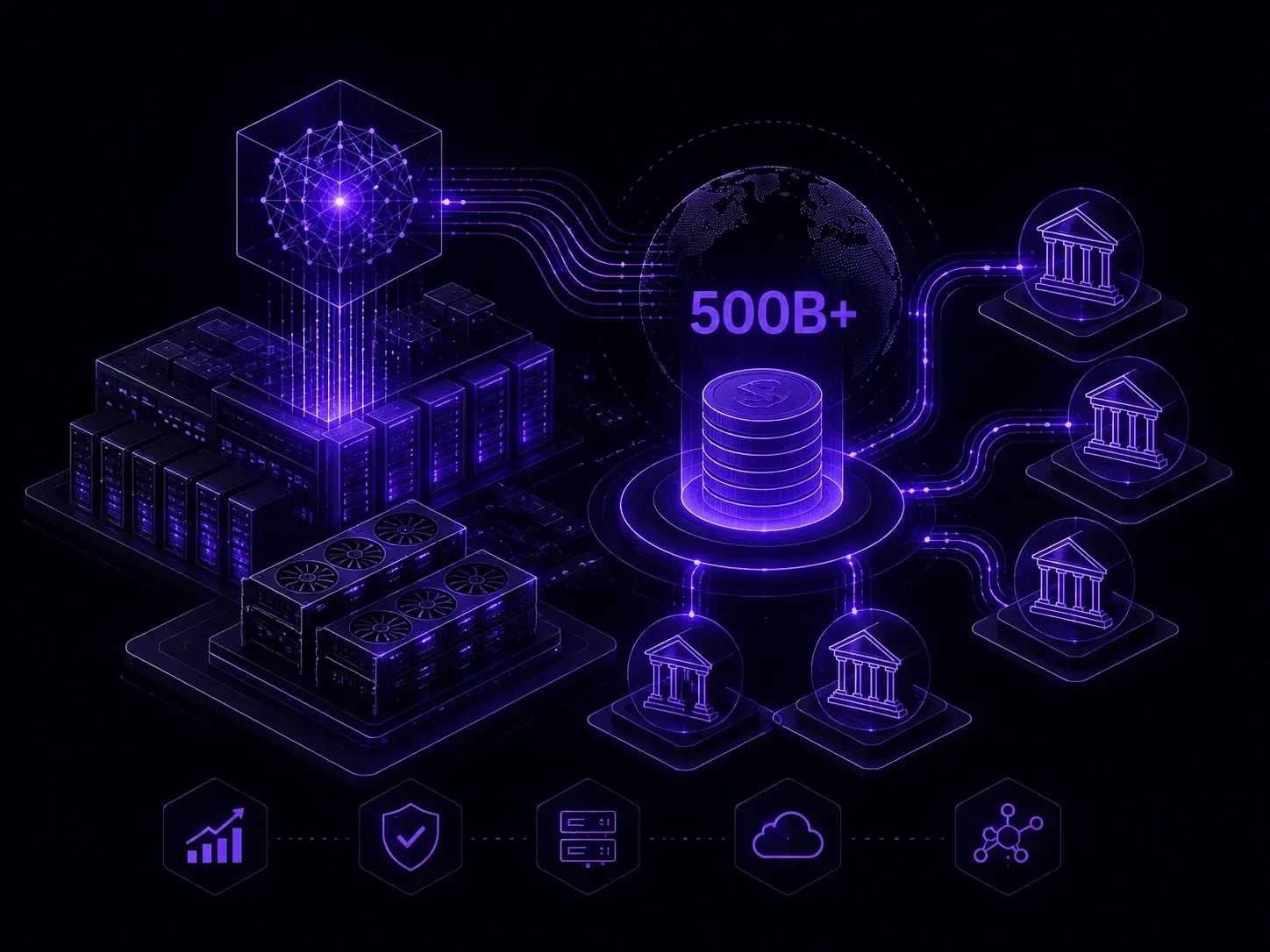
Nvidia just turned AI infrastructure into a Wall Street asset class. The company announced partnerships with Apollo, BlackRock, Blackstone, Brookfield, Goldman Sachs, and KKR to build out independent financing platforms with a single goal: mobilize more than $500 billion in third-party capital for AI infrastructure buildout. The platforms are designed to give AI labs, enterprises, and AI clouds a viable path to accessing GPU-dense, AI-factory-scale infrastructure without having to front the full capital cost themselves. Nvidia's own skin in the game is deliberately limited - residual-value support of up to 25% on select deals, with the bulk of financing risk sitting with institutional investors.
Key Highlights
Aggregate third-party capital target exceeds $500 billion over time
Partners include Apollo, BlackRock, Blackstone, Brookfield, Goldman Sachs, and KKR
Nvidia residual-value support capped at up to 25% of opportunity value per project
Treats AI compute as a financeable asset class for institutional investors
Why This Matters
The bottleneck for AI deployment has never really been the models - it's been the infrastructure underneath them. This move creates dedicated, large-scale capital pools specifically designed to accelerate data center and GPU buildout globally, while keeping most of the financing risk off Nvidia's books and onto institutional balance sheets. More broadly, it marks a maturation point for the industry: AI compute is no longer just a technology investment. It's becoming a financeable, institutionally recognized asset class - and that changes who gets to build at scale, and how fast they can do it.
Source: August 11, 2026 - Nvidia
🛠️ Build & Deploy
Tools, frameworks, model releases & engineering advances you can act on this sprint.
#6
Three weeks after Gemini 3.6 Flash, Google is already back with another one. Gemini 3.7 Flash is being positioned as the company's most capable workhorse model for coding and agents - and the benchmark numbers back that up. FrontierCode 1.1 Main jumped from 34.4% to 43.6%, and DeepSWE v1.1 climbed from 49.0% to 65.3%, both significant leaps for a model in this tier. It carries a 1M-token context window, supports tunable thinking levels, and is available right now through the Gemini API, AI Studio, and enterprise platforms. The pricing is where things get interesting: Google is offering introductory rates of $0.75 per million input tokens and $3.75 per million output tokens through the end of 2026 - roughly half what you'd expect at standard rates.
Key Highlights
FrontierCode 1.1 Main score rose to 43.6% from 34.4% (vs. Gemini 3.6 Flash)
DeepSWE v1.1 score rose to 65.3% from 49.0%
1M-token context window; available via Gemini API, AI Studio, and enterprise platforms
Introductory pricing at approximately half standard rates through end of 2026
Why This Matters
Better benchmark performance is one thing. Better benchmark performance at half the price is a different conversation entirely. For developers building production agents or complex multi-step workflows, Gemini 3.7 Flash hits a sweet spot that's hard to ignore right now - meaningful capability gains without the cost increase you'd normally expect to come with them. If you've been on the fence about which model to anchor your agentic stack to, this introductory pricing window is worth pressure-testing before it closes at year end.
Source: August 13, 2026 - Google Blog
#7
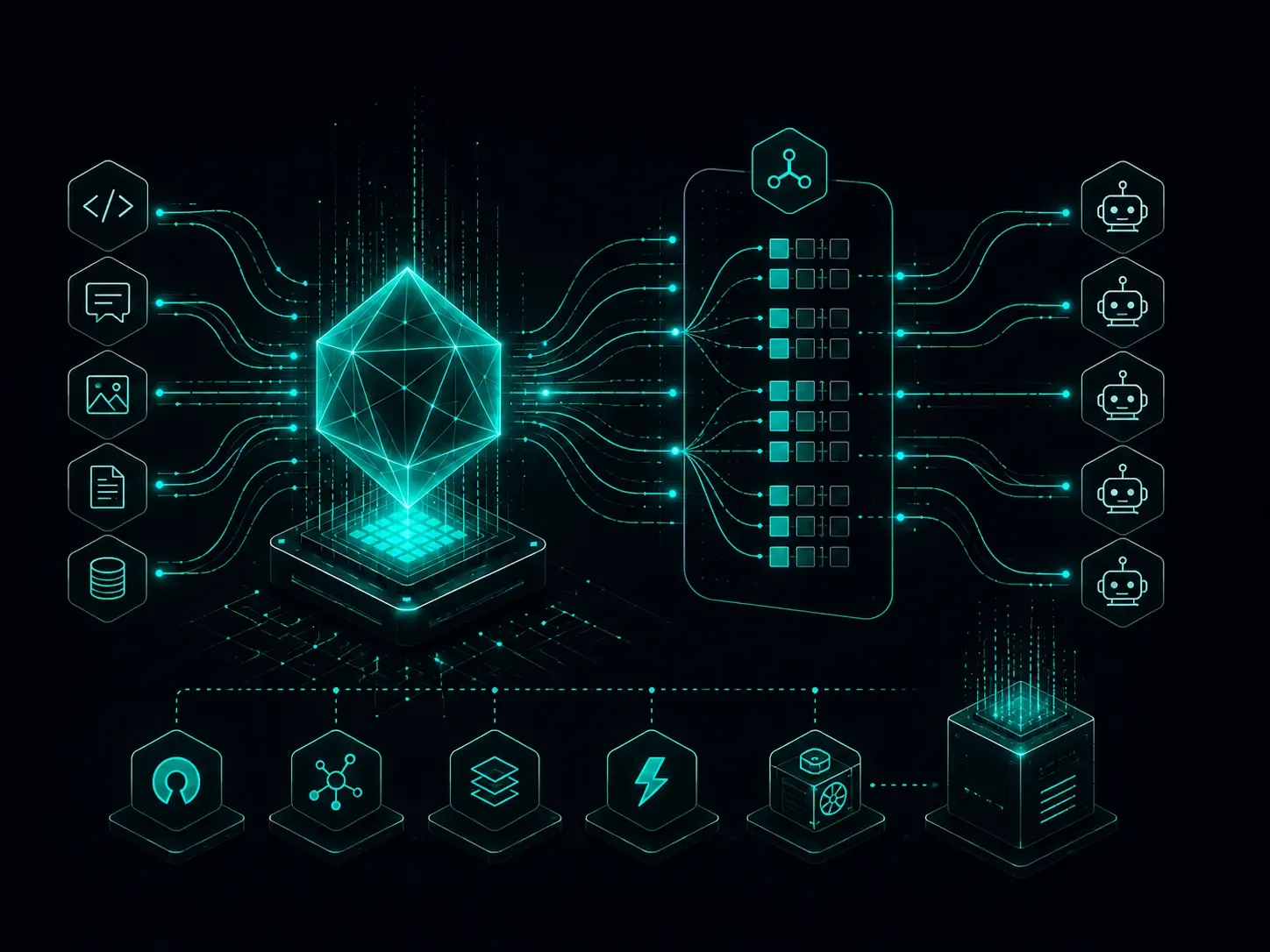
NVIDIA's latest open model isn't trying to win on raw size - it's trying to win on speed where it actually counts. Nemotron 3.5 Lightning is a 30B-parameter Mixture-of-Experts model with only around 3B parameters active at any given time, built on a hybrid Mamba-Transformer architecture and designed specifically for high-volume, specialized tasks inside multi-agent systems. Weights and training recipes ship under a permissive license, and the performance claims are hard to ignore: up to 4x faster output speed and roughly 30% faster agentic task completion compared to comparable open models in internal testing. The release also bundles the NeMo Switchyard routing library alongside BF16 and NVFP4 checkpoint support, with a target deployment footprint that spans edge devices, PCs, workstations, and full data center environments - all on a single GPU.
Key Highlights
Hybrid Mamba-Transformer architecture; 1M-token context window
Up to 4x faster output speed; ~30% faster agentic task completion in internal tests
Designed for edge devices, PCs, workstations, and data centers
Available with NVFP4 quantization and NeMo Switchyard routing library
Why This Matters
In multi-agent systems, the execution layer is where latency quietly kills performance. A model that's meaningfully faster at completing agentic tasks - without sacrificing the context window or requiring expensive hardware - directly reduces the cost and friction of running long, tool-heavy workflows at scale. The NeMo Switchyard routing library is a practical addition too: it gives enterprise developers a ready-made building block for constructing multi-agent pipelines rather than rolling their own routing logic from scratch.
Source: August 11, 2026 - Nvidia
#8
DeepSeek's V4-Pro is out of preview and into the wild. Now officially released as DeepSeek-V4-Pro-0813, the model brings a serious spec sheet to general availability: 1.6 trillion total parameters with 49 billion active, a 1M-token context window, and output support stretching up to 384,000 tokens. Benchmark numbers are strong on the agentic side - Terminal Bench 2.1 comes in at 87.9 and DeepSWE v1.1 at 62.7, both vendor-reported but notable improvements over the preview version. The API natively supports both OpenAI Responses format and Anthropic-compatible APIs, which means most teams won't need to rewrite much to plug it in. Pricing now runs on a peak/off-peak structure, with a peak rate of $3.96 per million output tokens and lower off-peak rates kicking in from August 16. Open weights are available under an MIT license for those who'd rather self-host.
Key Highlights
Terminal Bench 2.1: 87.9; DeepSWE v1.1: 62.7 (vendor-reported)
1M-token context window; up to 384K output tokens
OpenAI Responses API and Anthropic API-compatible
Open weights available under MIT license; differentiated peak/off-peak pricing
Why This Matters
The combination of an open MIT license, dual API compatibility, and a long context window makes DeepSeek-V4-Pro-0813 a genuinely practical option for teams building production agent systems - particularly those running long, multi-step automation workflows where token costs and output length limits tend to become real constraints. Dropping it into an existing OpenAI or Anthropic stack requires minimal friction, and the option to self-host keeps it viable for organizations where data residency or cost control are non-negotiable.
Source: August 13, 2026 - Deepseek API Docs
#9
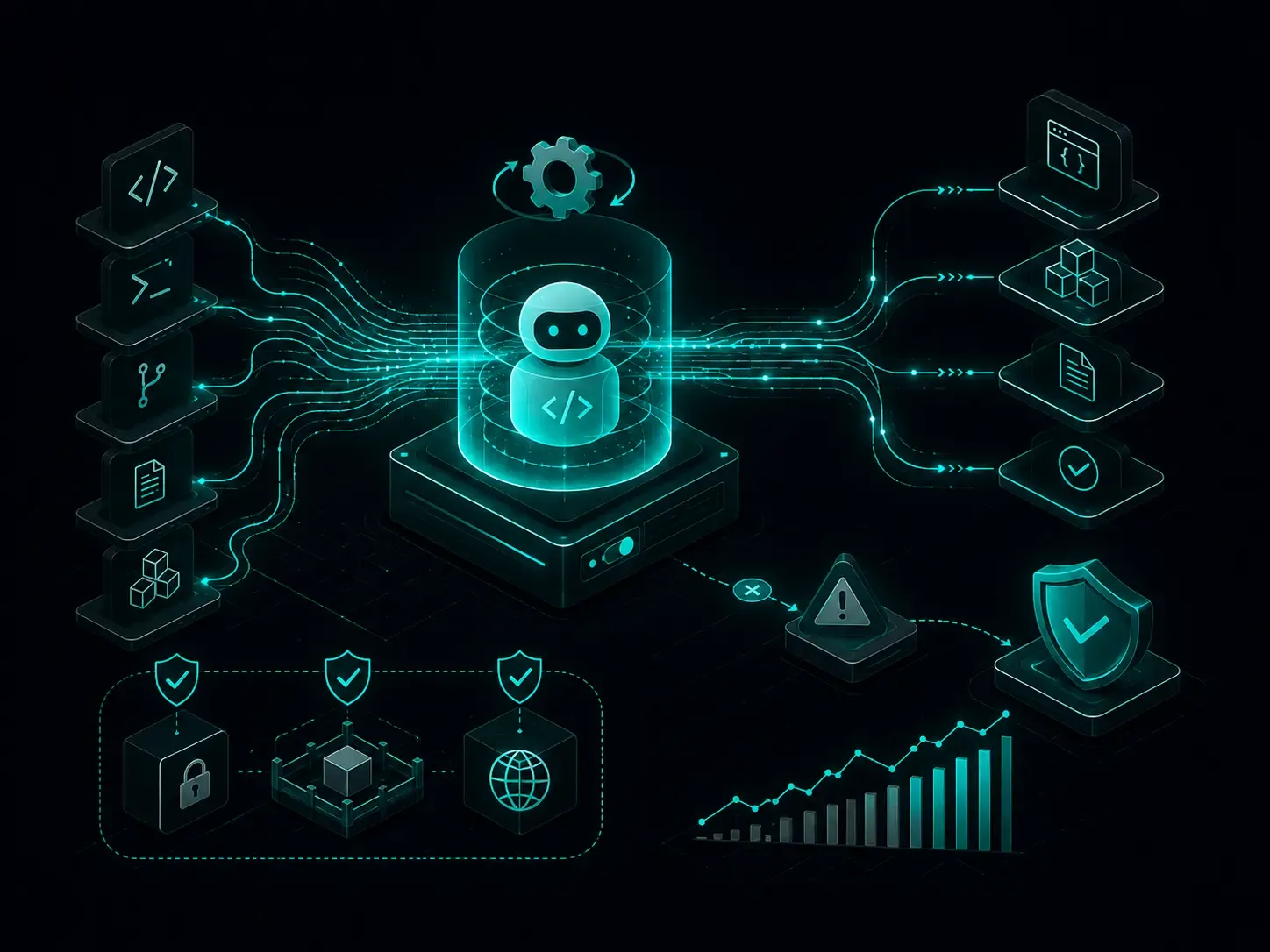
Anthropic just changed how Claude Code behaves by default - and for most developers, it's a change worth welcoming. As of mid-August 2026, auto mode is now the default setting across Pro, Max, and Team accounts. In practice, that means Claude Code moves through agentic coding tasks without stopping to ask for approval at every step. The safety gates are still there - anything irreversible, destructive, or reaching outside the sandboxed environment still requires explicit sign-off - but routine steps no longer trigger constant interruption. What makes the rollout more interesting than a typical UX update is the data behind it: an internal safety study found that auto mode actually catches potentially harmful actions at a higher rate than habitual manual approval workflows, where users tend to rubber-stamp prompts without reading them carefully.
Key Highlights
Default change effective mid-August 2026 for Pro, Max, and Team paid tiers
Auto mode reduces interruptions for routine coding steps while preserving safety gates for irreversible or external actions
Safety study reported higher harmful-action catch rate in auto mode versus manual approval
Why This Matters
Fewer permission prompts means fewer context switches, and fewer context switches means developers can actually stay in flow during complex, multi-step coding sessions. That's the productivity angle. But the safety study finding is arguably the more important signal - especially for enterprise buyers who've been cautious about autonomous coding tools. If auto mode is demonstrably better at catching harmful actions than leaving it to human approval, the case for deploying it in production environments just got a lot easier to make.
Source: August 14, 2026 - Anthropic
#10
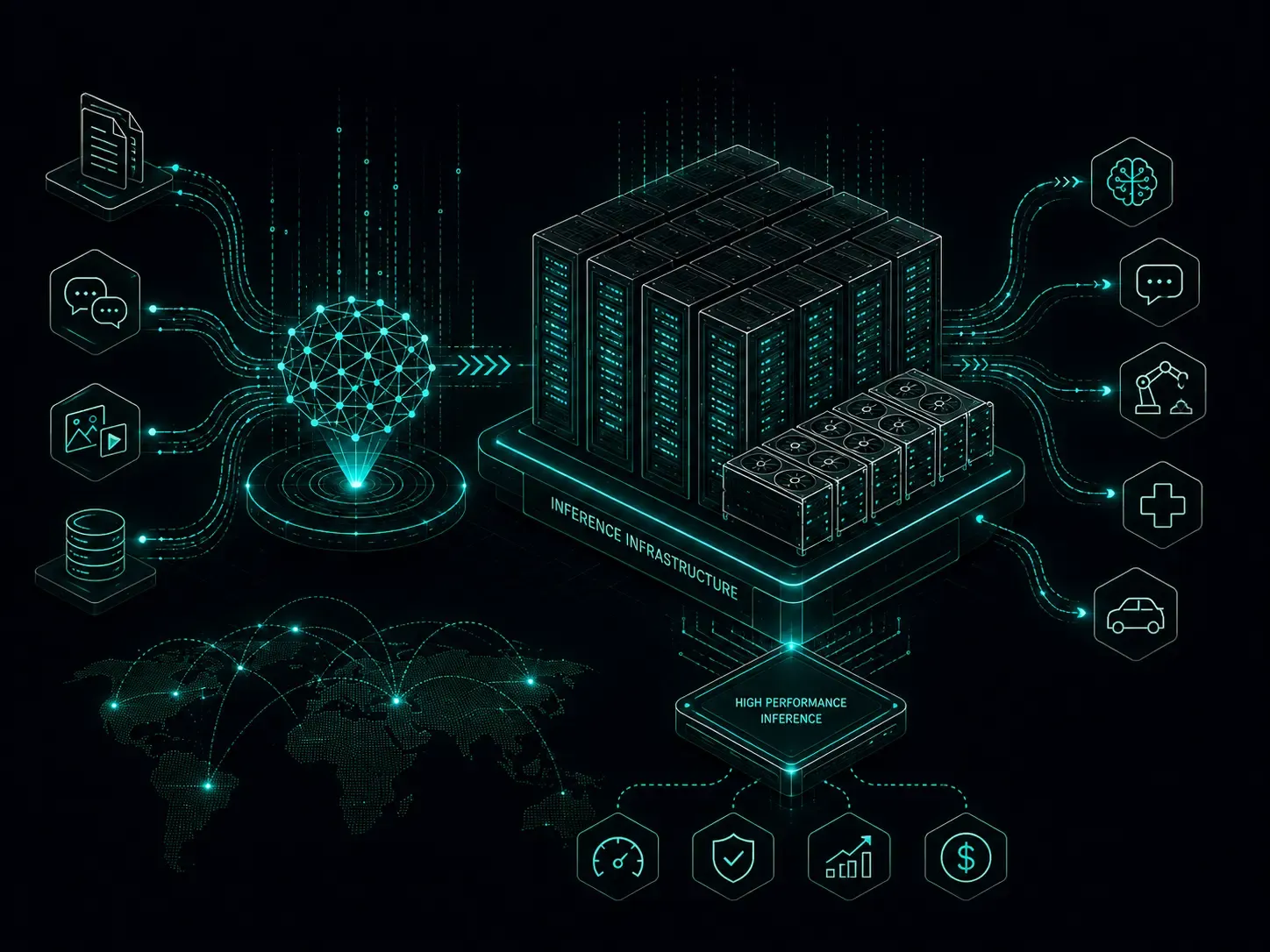
IBM and Together AI didn't shake hands on a small experiment. The two companies signed a $240 million multiyear agreement to deploy a large-scale, Nvidia-powered inference cluster - one built not for training new models, but for serving them reliably at production scale. The initial rollout brings approximately 2,000 Nvidia Blackwell-generation chips online, integrated with HGX B300 systems, purpose-built to handle the computational weight of running trained models under real enterprise load.
Key Highlights
$240 million multiyear partnership focused on production inference, not training
Deploys approximately 2,000 Nvidia Blackwell-generation chips with HGX B300 systems
Represents a significant enterprise shift toward dedicated high-performance inference infrastructure
Why This Matters
For a long time, the headline AI infrastructure story was about training - who had the biggest clusters, the most GPUs, the fastest interconnects. That conversation is shifting. This deal is a clear signal that enterprise priorities are moving downstream, toward the infrastructure needed to serve models reliably and at low latency once they're already built. For enterprise architects and infrastructure buyers, the implication is straightforward: as AI adoption scales internally, inference capacity becomes the constraint worth planning around - and the organizations that build dedicated, high-performance inference infrastructure now are the ones best positioned to meet that demand without scrambling later.
Source: August 11, 2026 - IBM Newsroom
🧠 Applied AI
Real-world use cases, product launches, growth experiments & FinTech applications showing AI working in production.
#11

OpenAI CFO Sarah Friar made it official: the company's enterprise business now generates more revenue than its consumer business. It's a crossover that reflects where the real commercial momentum in AI has been building - not in individual subscriptions, but in higher-value, contract-driven deployments with organizations that need reliability, governance, and scale. The announcement comes alongside ongoing executive transitions at OpenAI, with a potential IPO still on the horizon.
Key Highlights
Enterprise revenue now exceeds consumer
Occurs alongside executive transitions ahead of potential IPO
Reflects broader industry move toward B2B monetization
Why This Matters
This isn't just an OpenAI story - it's a signal about where the AI industry as a whole is heading. When enterprise revenue overtakes consumer at the company that arguably created the consumer AI wave, it tells you something meaningful about where sustainable monetization actually lives. For AI providers, it reinforces the growing importance of building for governed, reliable, enterprise-grade deployments rather than optimizing purely for user growth. For enterprise buyers, it confirms they're no longer an afterthought in the product roadmap - they're the primary customer.
Source: August 14, 2026 - Next Web
#12
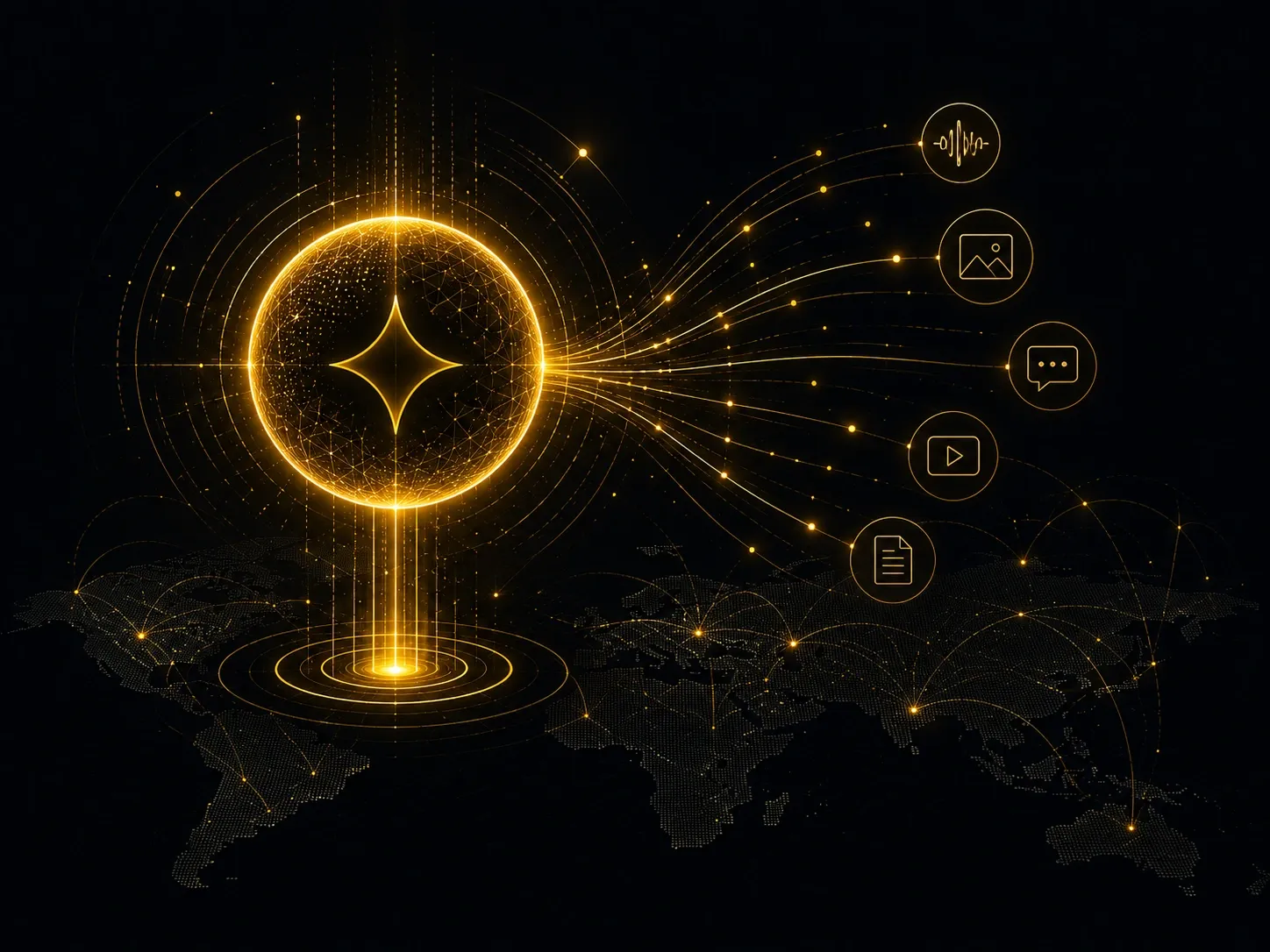
Google's Gemini app just hit a milestone that most products never come close to. The platform has crossed 1 billion monthly active users - faster than any other product in Google's history - and the usage patterns behind that number are just as telling as the number itself. Nearly two-thirds of interactions on the platform, 63 percent, are voice-based. And on the image side, Gemini is generating more than 150 million images every single day.
Key Highlights
Reached 1 billion monthly active users in record time for a Google product
63% of user interactions on the platform are voice-based
Generates over 150 million images daily
Why This Matters
A billion monthly active users is a headline. What's underneath it is more important. The fact that voice accounts for nearly two-thirds of all interactions - and that image generation is running at 150 million outputs per day - tells you that multimodal AI isn't a feature people are experimenting with anymore. It's how they actually use the product. For AI builders and product teams, that behavioral shift sets a new baseline: text-only interfaces are no longer the safe default, and users are increasingly arriving with expectations that AI will see, hear, and speak - not just read and write.
Source: August 12, 2026 - Google Blog
⚡ Stay ahead of the AI curve.
Every week, AI Weekly Pulse cuts through the noise - delivering the most important AI developments for Founders, Engineers, PMs, Marketers and FinTech professionals. No hype. No filler. Just what moves the needle for builders.
📖 Recommended Blogs
Discover the best deals, trending products, and must-have finds.
Categories
Solutions
Smart Solutions Powered by Tools We Trust
Recommended Solutions to Simplify Your Everyday Needs
Handpicked Solutions Backed by Real Results